Canada delists Syria amid shifting geopolitical winds, signalling Ottawa’s desire to align with evolving international positions and recognise new dynamics shaping the country’s complex transition and security landscape.
Canada’s announcement reflects a broader Western diplomatic recalibration that seeks to harmonise policy with allies while acknowledging Syria’s changed trajectory after the collapse of the previous regime and emergence of new governance structures.
Ottawa emphasised that the decision followed “careful assessments,” with officials highlighting the Syrian transitional government’s attempts to embrace reforms and distance itself from past authoritarian violence.
Diplomats noted the move was influenced by allied decisions, saying, “Canada cannot act in isolation when global partners update their policies based on fresh developments and responsible leadership.”
The development comes as Syrians celebrate a year of political transformation, marking an anniversary described by residents as “a turning point toward possibility after generations of fear and repression.”

Officials reiterated that Canada delists Syria not as an endorsement of all internal actors, but as recognition of evolving governance and improved avenues for constructive dialogue on critical regional issues.
Ottawa stressed that ongoing counterterrorism cooperation remains essential, emphasising that “removing a designation does not equate to removing vigilance,” a message aimed at reassuring domestic and international observers.
The Canadian foreign ministry stated that 56 individuals from the former regime remain sanctioned, ensuring accountability remains embedded in the country’s updated policy framework.
Observers argue that the recalibration demonstrates how global powers adjust their approaches when new leadership pledges reforms and pursues regional stability efforts with genuine diplomatic engagement.
Canada’s shift mirrors decisions by the US and UK, both of which recently signalled readiness to work with Syrian authorities committed to transparent governance and security restructuring.
Analysts say the delisting acknowledges realities on the ground, where new leaders have worked to “shed the shadows of militancy” and present a modern, nationally inclusive identity.
The Syrian transitional government has prioritised symbolic and structural gestures, including dropping wartime aliases, instituting local representation forums, and publicly denouncing extremist narratives.
International partners welcomed these steps, recognising them as part of a “critical rebranding” necessary to rebuild confidence after years of conflict and civil fragmentation.
Regional experts describe the Canadian decision as an “inevitable step,” given how deeply intertwined global responses become once powerful states coordinate transitions in post-conflict zones.
Although Canada delists Syria, legal safeguards remain in play to prevent abuses, maintain oversight, and ensure economic cooperation aligns with international human rights standards.
Syria’s interim institutions have championed renewed diplomacy, sending delegations to the UN, EU capitals, and US agencies to demonstrate commitments to responsible governance.
“This is a new chapter,” a Western envoy remarked, praising Damascus’s efforts to “re-enter global systems through stability, transparency, and collective responsibility.”
The decision further highlights how Western diplomatic recalibration shapes modern foreign policy, especially in regions where old alliances and threats have drastically evolved.
Syrian leaders have pledged to maintain strict compliance with security benchmarks, recognising cooperation as essential to building legitimacy with states previously sceptical of their intentions.
Ottawa affirmed that it will monitor progress closely, insisting that “trust must be earned through actions, not declarations,” reiterating the conditional nature of renewed engagement.
Analysts note that counterterrorism cooperation is central to all updated policies, especially given the historical complexities surrounding armed factions and fragmented command structures.
Canada’s stance reflects confidence in Syria’s current trajectory, acknowledging hard-won reforms that aim to stabilise society and restore diplomatic channels severed during years of brutality.
Economists say the delisting could ease restricted financial flows, allowing humanitarian operations and reconstruction efforts to proceed with fewer bureaucratic obstacles.
Critics, however, warn against premature optimism, arguing that “institutional rebuilding will require patience, oversight, and sustained international involvement to avoid repeating past tragedies.”
Supporters contend that the move incentivises constructive behaviour, providing Damascus with a diplomatic framework to continue reforms benefiting citizens long deprived of political agency.
The Syrian transitional government welcomed Ottawa’s announcement, calling it “a sign that responsible stewardship and transparency can gradually rebuild global confidence.”
Residents in Hama and other liberated cities celebrated the symbolic victory, describing Canada’s decision as “recognition of the sacrifices made by countless communities seeking peace.”
Diplomats argue the delisting enhances regional stability efforts by encouraging coordinated action on trade, security, and reconstruction, reducing isolation that previously fuelled tensions.
Canada emphasised bilateral cooperation in areas such as border security, humanitarian corridors, and local governance capacity-building designed to support long-term peace.
The move follows recent US decisions easing sanctions and suspending certain restrictions after meetings between Syrian leaders and President Donald Trump.
American officials stated that benchmarks on accountability and transparency significantly improved, enabling a more pragmatic and strategic diplomatic approach.
“This is not about forgetting the past,” a US negotiator clarified, “but about creating conditions where the past cannot be repeated under new leadership.”
European partners have expressed similar views, signalling readiness to pursue dialogue with authorities committed to breaking from the former regime’s destructive legacy.
Syria’s leaders have capitalised on this new momentum, emphasising inclusivity and reconciliation in speeches aimed at uniting long-fractured communities.
“People need hope,” said a Syrian civic organiser. “They need proof their suffering meant something and that the world recognises their new direction.”
With Canada delists Syria, humanitarian actors anticipate improved access to restricted areas, facilitating medical and social programmes long delayed by bureaucratic barriers.
International observers stress that any future collaboration will require strict compliance with international law, especially as reconstruction accelerates.
The country’s investment climate could evolve quickly, attracting regional partners “eager to rebuild infrastructure but cautious about legal clarity and political consistency.”
Canada’s updated position underscores how major powers adapt engagement strategies when transitions require nuanced responses rather than binary judgements.
The Syrian transitional government continues to highlight its commitment to multi-party structures, electoral reforms, and decentralised municipal representation.
Regional diplomats believe these gestures could strengthen confidence and diminish opportunities for extremist resurgence in formerly contested territories.
Ottawa reiterated the importance of continued supervision, stating that “lasting peace must be supported, protected, and tested through real results.”
Experts assert that regional stability efforts gain momentum when global powers converge around common frameworks that encourage accountability and cooperation.
Civil society groups celebrated the decision cautiously, urging leaders to ensure new diplomatic openings translate into tangible improvements for ordinary Syrians.
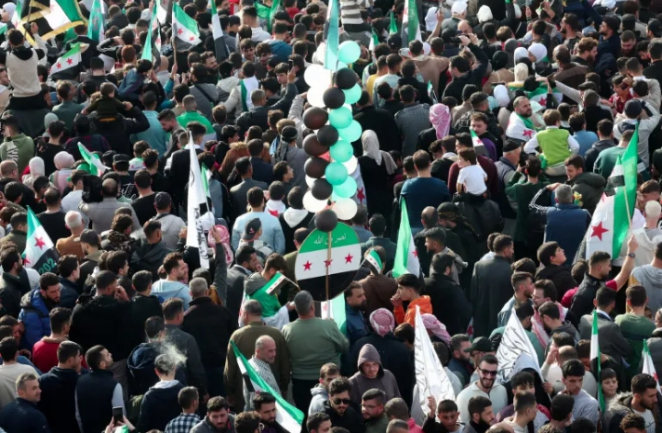
The evolution of Canada’s stance reflects recognition that static policies cannot address dynamic post-conflict environments where governance landscapes constantly shift.
Canada’s foreign ministry concluded that the delisting “marks a turning point grounded in realism, responsibility, and a shared desire for a safer, more cooperative Middle East.”
Observers say that Western diplomatic recalibration could continue evolving as Syria demonstrates progress toward political inclusivity, social cohesion, and responsible statecraft.
Despite uncertainties, policymakers argue that constructive engagement remains preferable to isolation, which “often strengthens hardliners and weakens reformists.”
The decision illustrates how international legitimacy is gradually restored when new administrations distance themselves from previous atrocities and embrace global partnerships.
Humanitarian organisations hope improved diplomatic space will unlock broader cross-border cooperation and ease restrictions obstructing aid delivery.
With cautious optimism, global partners acknowledge that Canada delists Syria at a delicate but potentially transformative moment in the country’s evolving political landscape.