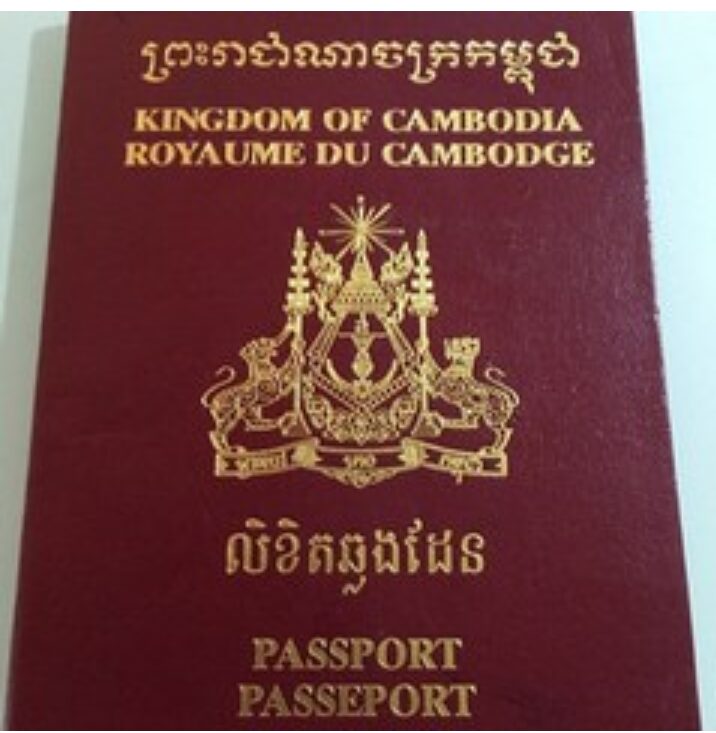
The Cambodian government has taken a significant step in its crackdown on opposition, passing a law that empowers authorities to revoke citizenship from individuals convicted of conspiring with foreign countries, scheming against Cambodian interests, or committing acts that threaten “destruction of sovereignty, territorial integrity and national security” and such other treasonous offenses.
The law, passed on Monday, August 25, 2025, was approved by all but five lawmakers in the 125-member National Assembly, which is dominated by the ruling Cambodian People’s Party.
Under the new law, revocation of citizenship will be decided by a committee established at the request of Interior Minister Sar Sokha.
Although the legislation still needs to be approved by Cambodia’s upper house and the king, these steps are widely considered formalities.
The move comes amid a sustained crackdown on opponents of the governing party, led by Prime Minister Hun Manet, son of former strongman leader Hun Sen.

A coalition of 50 rights groups had warned that the legislation would have “a disastrously chilling effect on the freedom of speech of all Cambodian citizens”.
The groups expressed concerns over the potential for abuse in the implementation of the vaguely worded law, which could target people based on their ethnicity, political opinions, speech, and activism.
“The potential for abuse in the implementation of this vaguely worded law to target people on the basis of their ethnicity, political opinions, speech, and activism is simply too high to accept,” the group said. They further emphasized that “The government has many powers, but they should not have the power to arbitrarily decide who is and is not a Cambodian”.
This law is part of a broader pattern of suppressing dissent in Cambodia. In June, Hun Sen stated that Cambodia needed to take action against nationals who “side with foreign nations”.
The crackdown has led to numerous prominent political figures fleeing the country to avoid arrest, including Sam Rainsy and Mu Sochua, cofounders of the banned Cambodia National Rescue Party.
The law’s implications extend beyond the political sphere, potentially affecting the lives of many Cambodians and their ability to express themselves freely.
About The Author