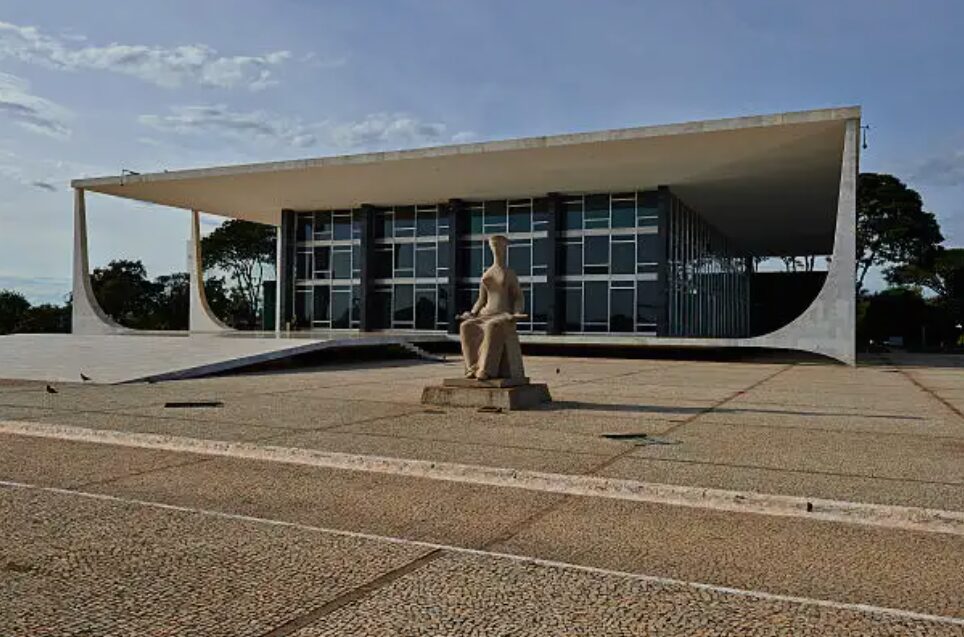
Brazil‘s Supreme Court has embarked on a crucial deliberation process to determine the fate of former far-right President Jair Bolsonaro.
The five-justice panel is tasked with deciding whether Bolsonaro plotted a coup to remain in power after losing the 2022 election to leftist candidate Luiz Inacio Lula da Silva. This trial marks a significant test of democracy 40 years after the end of military dictatorship in Brazil.
Bolsonaro faces steep and unprecedented charges, including taking part in an armed criminal organization, attempting to violently abolish democracy, organizing a coup d’etat, damaging government property, and damaging protected cultural assets. If found guilty, he could receive a 43-year prison sentence.
The charges stem from a sprawling investigation that has uncovered alleged plots, including plans to poison Lula and his running mate and assassinate Supreme Court Justice Alexandre de Moraes, who oversaw the 2022 elections and now presides over the coup-related trials.
Justice Alexandre de Moraes’ Statement
Justice Alexandre de Moraes, who heads the panel, was the first to vote.
Speaking in court, he emphasized that the crimes in question had already been recognized by the high court in prior rulings, so the subject now under discussion is identifying those responsible.
“There is no doubt… there was an attempt to abolish the democratic rule of law, that there was an attempted coup, and that there was a criminal organization that caused damage to public property,” Moraes said. He noted that there was excessive evidence of plans to assassinate Lula, citing a document found at government headquarters.

The trial has also drawn international attention, particularly from the United States. Bolsonaro is a close ally of US President Donald Trump, who was similarly charged with trying to overturn the results of the 2020 United States presidential election.
Trump has accused Brazil’s government of a “witch hunt” against the former leader. Justice Moraes has been singled out by the Trump administration in aggressive moves to influence the trial.
The US government imposed financial sanctions on Moraes and a 50 percent tariff on many Brazilian imports. Moraes, however, has vowed that the court would not bow to “internal or external threats and coercion” and will stand “absolutely inflexible in defending national sovereignty”.
Thousands of Bolsonaro supporters demonstrated in several cities to denounce the trial as a “disgrace” and to thank US President Donald Trump for his intervention. A simple majority of three judges is needed for a guilty verdict, but Bolsonaro can still appeal. Apart from a lengthy prison sentence, a guilty verdict could also scupper Bolsonaro’s hopes of making a Trump-style comeback from a criminal conviction to return to the country’s top job.
Thousands of Bolsonaro supporters demonstrated in several cities to denounce the trial as a “disgrace” and to thank US President Donald Trump for his intervention. A simple majority of three judges is needed for a guilty verdict, but Bolsonaro can still appeal.
Apart from a lengthy prison sentence, a guilty verdict could also scupper Bolsonaro’s hopes of making a Trump-style comeback from a criminal conviction to return to the country’s top job.
Fearing his conviction is imminent, allies are meanwhile pushing Congress to pass an amnesty law to save Bolsonaro from prison. Sao Paulo’s Governor Tarcisio de Freitas, a Bolsonaro ally and possible candidate in the 2026 presidential elections, told AFP there were “more than enough votes” for the amnesty to pass.
Aides said Bolsonaro plans to follow this week’s deliberations from his residence in Brasilia, where he has been under house arrest since last month. Lawyers have said he is in ill health due to the ongoing effects of being stabbed in the abdomen at a campaign rally in 2018.
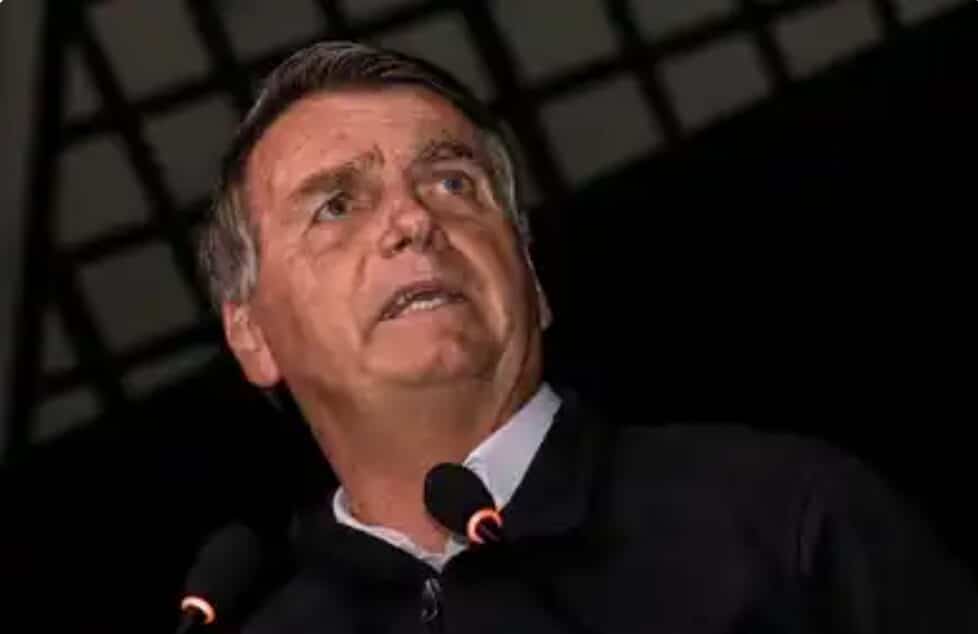
The verdict in this trial will have significant implications for Brazil’s democracy and Bolsonaro’s future. If convicted, Bolsonaro’s ability to participate in future elections could be severely impacted.
On the other hand, an acquittal could embolden his supporters and potentially lead to further unrest. As the justices deliberate, the country holds its breath, awaiting a decision that will shape the future of Brazilian politics.
About The Author