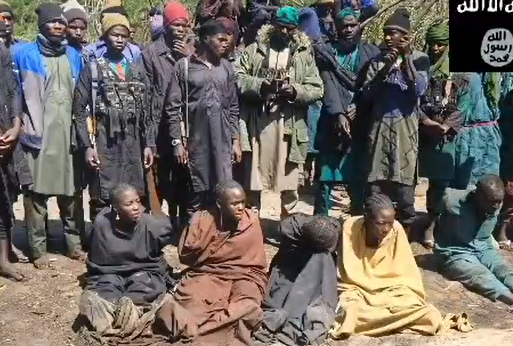
A Boko Haram execution incident in Mandara Mountains kills two women, spreading fear and highlighting the insurgents’ brutal enforcement of extremist laws.
The recent Boko Haram execution incident in the Mandara Mountains of Gwoza Local Government Area, Borno State, has reignited fear among residents living under the control of extremist factions.
Fighters loyal to Ali Ngulde reportedly beheaded two women, accusing them of practising shirk, a form of idolatry, in what analysts say is part of the group’s ongoing campaign of terror and control.
According to security expert Zagazola Makama, the women were apprehended during a search within insurgent hideouts.
The militants claimed the women carried charms, locally called layu, which they interpreted as evidence of violating the extremist doctrines imposed by the Ali Ngulde faction.
Such accusations, whether substantiated or fabricated, are often used by Boko Haram to justify violent punishments and assert dominance over communities.
The group’s video evidence of the Boko Haram execution incident shows the women being subjected to a crude, makeshift trial before being led to a secluded section of the Mandara Mountains.
Observers say this publicized execution serves as a deliberate warning to others in the region: defiance, real or imagined, will be met with immediate and brutal consequences. This is a common strategy among the Ali Ngulde faction to maintain strict obedience and fear among civilians.
The Mandara Mountains, with their complex terrain and strategic location along the Nigeria–Cameroon border, have long provided Boko Haram factions with a secure hideout.
The area’s natural fortifications allow insurgents to evade military operations while enforcing their parallel justice system.
The latest Boko Haram execution incident is a reminder of how the group continues to exploit this environment, using extreme violence as a tool for both internal discipline and psychological warfare against surrounding communities.
Experts warn that the psychological impact of such killings is profound, particularly for women and children.
The insurgents often target women under the pretext of spiritual misconduct or minor cultural practices, resulting in executions, forced marriages, or abductions. Humanitarian organizations report that such terror tactics create long-lasting trauma, further destabilizing already vulnerable populations.
This Boko Haram execution incident is also part of a broader pattern of violence in Borno State, where insurgent factions exploit fear to maintain control.
Security forces have intensified operations in the Mandara Mountain region, yet insurgents continue to stage high-profile acts of terror, demonstrating their continued influence and the challenges of counterinsurgency in rugged terrain.
As communities reel from this latest tragedy, observers stress the urgent need for stronger protection measures and coordinated humanitarian support.
The public nature of the killings underscores the group’s reliance on intimidation tactics to consolidate power, forcing residents into compliance while limiting options for escape.
About the Author