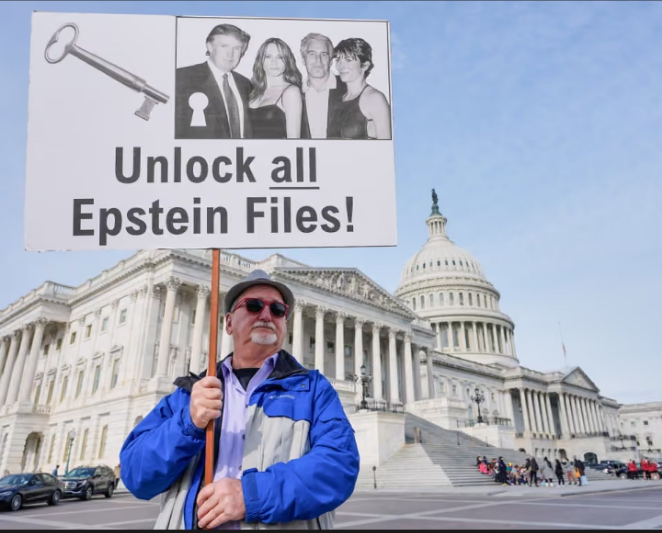
Balmoral Emails- Freshly released Epstein files have cast renewed scrutiny on elite networks, after an email sent from Balmoral referenced “inappropriate friends” while corresponding with convicted trafficker Ghislaine Maxwell.
The documents, part of a broader disclosure, include exchanges dating back more than two decades, now resurfacing amid sustained public pressure for transparency surrounding Epstein’s associations.
Central to the disclosures is a correspondent identified only as “A”, writing from Balmoral, whose messages appear within a chain involving Maxwell during 2001 and 2002.
Investigators and journalists examining the Epstein files Balmoral email note contextual clues linking “A” to Andrew Mountbatten-Windsor, formerly known as Prince Andrew.
Those clues include references to Balmoral, a valet, and the recent departure from the Royal Navy, aligning with Andrew’s departure from service in mid-2001.
The Guardian reports there is no suggestion that mention within the files alone constitutes evidence of criminal wrongdoing, a distinction emphasised throughout official commentary.

Nonetheless, the tone and language of the emails have intensified debate around judgement, proximity, and responsibility among powerful figures orbiting Epstein and Maxwell.
In one August 2001 message, the writer signs off as “A” and asks Maxwell whether she had found him “some new inappropriate friends”.
The email describes Balmoral as a “summer camp for the Royal Family”, blending casual humour with remarks that critics say now read disturbingly.
He writes of being exhausted by daily activities, mentioning “the girls” and joking about keeping them separated, before pivoting to his request.
Maxwell’s response, revealed in a separate exchange, apologises for finding only “appropriate” friends, prompting a reply from “A” simply stating, “Distraught!”.
These Ghislaine Maxwell emails, released under judicial oversight, are being analysed line by line for meaning, context, and implication.
A later chain from February 2002 introduces travel arrangements for a proposed trip to Peru, coordinated through Maxwell and a third party.
In forwarded correspondence, Maxwell writes that she has provided “Andrew” with a telephone number, a detail attracting intense scrutiny.
The reply from “A” indicates willingness to make contact, saying he would ring “today if I can”, reinforcing assumptions about identity.
Further messages discuss meetings with “girls” during the Peru visit, language now heavily interrogated in light of Epstein’s known crimes.
One correspondent asks, “About the girls … how old is he?”, a line prosecutors and journalists view as particularly alarming in retrospect.
“A” responds with gratitude for the “kindness and generosity” of offers, adding that arrangements regarding girls are left to others.
Another email forwarded by Maxwell outlines sightseeing plans, including “two-legged sightseeing”, clarified parenthetically as social introductions.
She assures the recipient that introductions would be discreet, friendly, and from “good families”, phrasing that has fuelled public unease.
Photographs from the period show Andrew Mountbatten-Windsor visiting Peru, lending circumstantial support to claims of his involvement.
Buckingham Palace and Andrew Mountbatten-Windsor have been approached for comment regarding the Epstein files Balmoral email correspondence.
Andrew has previously acknowledged knowing Maxwell, while repeatedly denying wrongdoing or awareness of Epstein’s criminal activities.
Read also: Tragic A1 Cambridgeshire crash kills toddler, leaves five hospitalised ahead of Christmas
In an October statement referenced in the files, he said, “I vigorously deny the accusations against me”, maintaining his long-held position.
The documents also reveal internal communications among US prosecutors expressing concerns about inconsistencies in Andrew’s past accounts.
Those communications emerged during disputes over his willingness to cooperate with American investigations following Epstein’s death.
In June 2020, Andrew’s legal team stated he had offered assistance as a witness, a claim later challenged by prosecutors.
Geoff Berman, then a senior US attorney, accused Andrew of attempting to portray himself as cooperative while avoiding formal interviews.
The Epstein files further show that British authorities have remained engaged, at least at an information-gathering level.
In November, the Metropolitan Police contacted the FBI to inquire about any ongoing investigations related to Andrew’s links with Epstein.
An email from a senior detective references reviewing allegations that Andrew sought information about Epstein accuser Virginia Giuffre.
The Met later confirmed it would not pursue a criminal investigation into claims involving Andrew and his publicly funded security.
Still, the correspondence underscores how the Epstein files continue to ripple through institutions long after Epstein’s death.
Campaigners argue that staggered releases, heavy redactions, and delayed disclosures have undermined public confidence in accountability.
Survivors of Epstein’s abuse have criticised authorities for what they see as half-measures, calling for fuller transparency.
Within that context, the inappropriate friends message has become emblematic of elite complacency surrounding Epstein’s social circle.
Legal experts caution against drawing definitive conclusions from isolated emails, stressing the importance of corroboration and due process.
However, reputational consequences have already followed, particularly for figures whose proximity to Epstein is now firmly documented.
The monarchy, while institutionally separate from Andrew since his withdrawal from public duties, continues to face reputational fallout.
Public reaction has been sharpened by the contrast between informal language in the emails and the gravity of Epstein’s crimes.
The Guardian notes that being named in the Epstein files does not equate to guilt, a point repeatedly emphasised in coverage.
Even so, each new tranche adds texture to a network many believe was shielded by wealth, status, and deference.
The Epstein files Balmoral email, in particular, highlights how normalised access and entitlement appeared within those circles.
For historians and investigators, the value of these documents lies less in single revelations than in cumulative patterns.
As more files are released, attention is shifting toward institutional responses rather than individual scandal alone.
Questions persist about who knew what, when they knew it, and why warnings failed to disrupt Epstein’s operations earlier.
For now, the emails serve as a stark reminder of how language once dismissed as flippant can acquire grave significance over time.
They also reinforce calls for transparency, accountability, and sustained attention to victims rather than powerful associates.
About The Author