

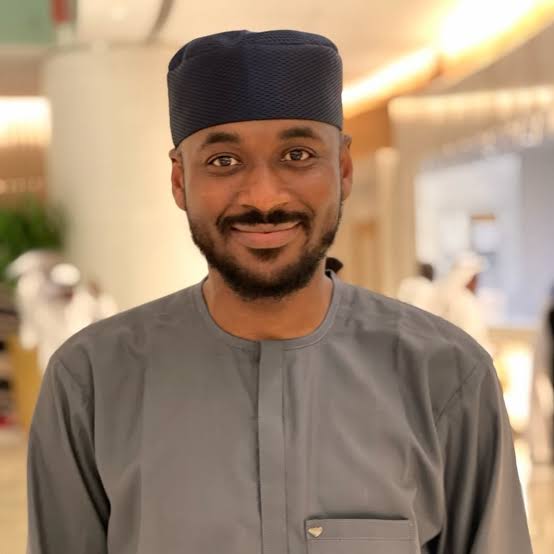
The All Progressives Congress (All Progressives Congress) has received a significant political boost following the defection of a prominent diaspora stakeholder, Dr. Usman Tijjani Shehu, from the New Nigeria Peoples Party (New Nigeria Peoples Party).
His return to the APC marks yet another shift in Nigeria’s evolving political landscape as parties begin early positioning ahead of the 2027 general elections.
Dr. Shehu, who has long been associated with the Kwankwasiyya movement, announced his decision after what he described as extensive and deliberate consultations with allies, supporters, and key stakeholders both within Nigeria and across the diaspora.
According to him, the move reflects a strategic realignment aimed at contributing more effectively to national development and governance.
Explaining the rationale behind his decision, Dr. Shehu noted that the APC offers a broader platform to advance critical priorities such as youth inclusion, economic growth, and human capital development.
He aligned his decision with the policy direction of President Bola Ahmed Tinubu, particularly the Renewed Hope Agenda, which he believes provides a workable framework for national progress.
“Following wide consultations and meaningful engagements with our people at home and abroad, we have decided to return to the APC and actively contribute to its development and future success,” he stated.
The APC, which continues to consolidate its influence across different regions and demographics, stands to benefit from Dr. Shehu’s grassroots appeal and diaspora connections.
His political network spans both local communities in Northern Nigeria and Nigerian professionals abroad, making his defection a potentially strategic gain for the ruling party.
Dr. Shehu also made it clear that his return is not symbolic but comes with a commitment to action.
He pledged to mobilise support for the APC at multiple levels, including grassroots communities and diaspora groups, in preparation for the 2027 elections.
This effort, he said, will focus on strengthening party structures and increasing political participation among young Nigerians.
As part of his political journey, Dr. Shehu previously contested the Gwarzo/Kabo Federal Constituency seat during the 2023 general elections under the NNPP platform.
Although unsuccessful, his candidacy raised his profile as a mobiliser and advocate for youth-driven leadership.
His return to the APC signals a shift in strategy as he seeks to operate within a party he considers more nationally positioned.
Beyond politics, Dr. Shehu is widely recognised for his professional and community contributions.
Based in the United Kingdom, he is a healthcare professional specialising in physiotherapy, with a focus on musculoskeletal disorders and public health.
His career has seen him work in reputable institutions such as Aminu Kano Teaching Hospital in Kano and the General Ahmadu Rimi Orthopaedic and Specialist Hospital in Katsina.
In addition to his medical career, he has also ventured into business and currently serves as a director at Ozone Properties Ltd in Salford.
His diverse experience across healthcare, business, and community leadership has helped shape his political outlook, particularly his emphasis on human capital development.
Dr. Shehu’s influence extends beyond professional circles. He holds traditional titles including Zannan Kabo and Dan Isan Hausawan Turai, reflecting his recognition both within Nigeria and among diaspora communities.
These titles underscore his cultural and social standing, which could further enhance his political relevance within the APC.
His earlier involvement with the APC includes serving as Youth Leader of the party’s UK Chapter.
He was also part of the Operations and Logistics Sub-Committee of the National Progressives Youth Conference held in Abuja in 2021, where he represented Nigerians in the diaspora.
These roles provided him with valuable organisational experience and strengthened his ties within the party.
Political observers note that defections such as this highlight the fluid nature of Nigeria’s party system, where alliances and loyalties often shift in response to emerging opportunities and national dynamics.
For the APC, attracting figures like Dr. Shehu reinforces its efforts to remain a dominant force ahead of future elections.
As momentum builds, the APC continues to position itself as a party capable of accommodating diverse interests, including those of young professionals and diaspora communities.
Dr. Shehu’s return may also encourage other political actors to reconsider their affiliations as the countdown to 2027 gradually begins.
Reaffirming his optimism, Dr. Shehu called on his supporters to rally behind the APC and contribute to building a more prosperous and stable Nigeria.
He emphasised the importance of unity, collective action, and sustained engagement in achieving meaningful political progress.
With this latest development, the APC strengthens its narrative of growth and inclusivity, while Dr. Shehu embarks on a renewed political journey within a familiar platform.
As preparations for the next electoral cycle intensify, such strategic defections are likely to play a crucial role in shaping Nigeria’s political future.
About The Author
