

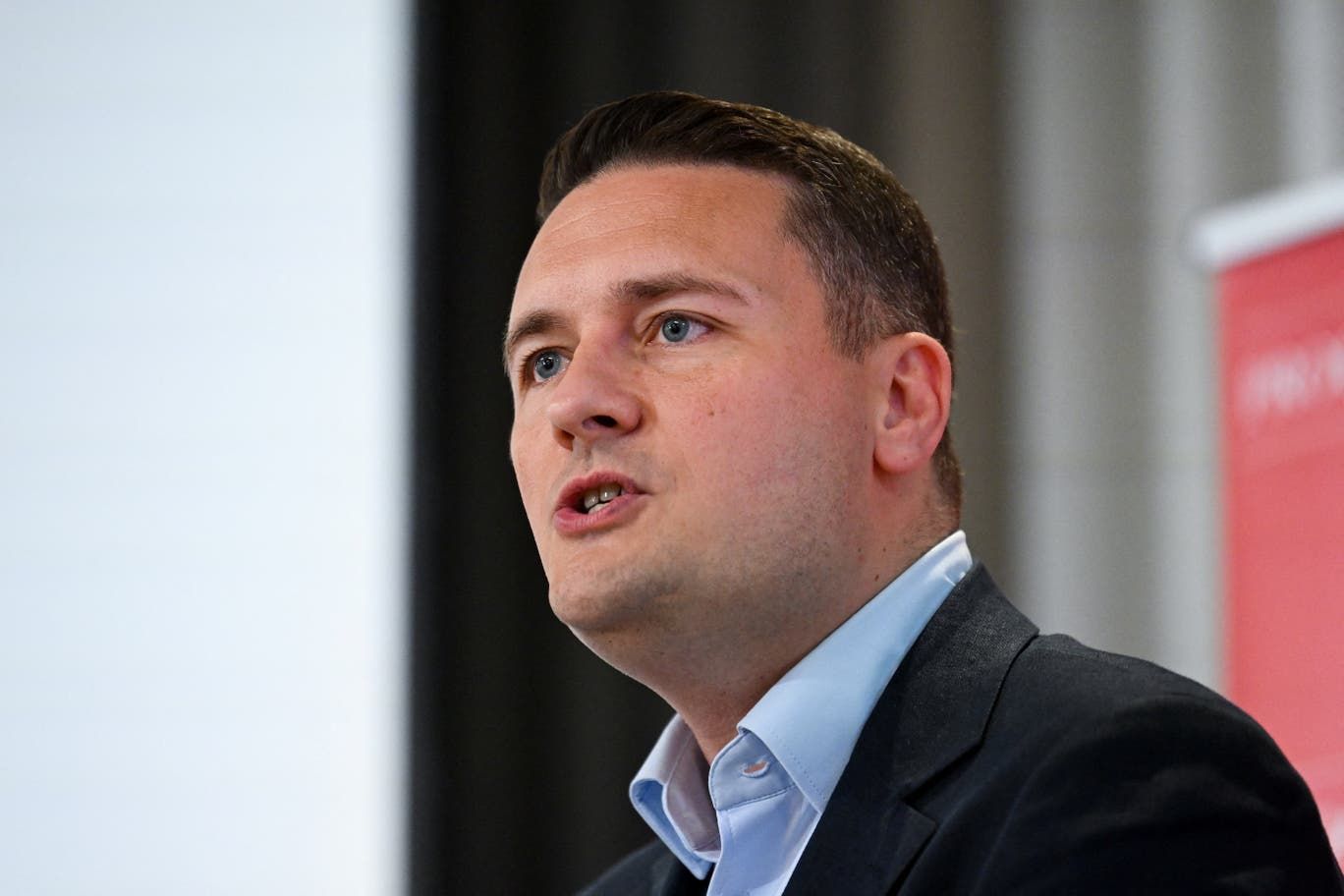
The Wes Streeting Labour leadership bid has intensified political debate in the United Kingdom after the former health secretary declared his willingness to enter a future Labour leadership contest while calling for Britain to rejoin the European Union. His intervention has reopened deep divisions inside Labour over Brexit, leadership direction, and the party’s electoral future.
Speaking shortly after his resignation from government, Wes Streeting said Labour must adopt bolder positions on major national issues if it is to defeat Reform UK and avoid becoming politically stagnant. He warned that reluctance to engage with difficult policy debates could weaken the party’s long-term credibility with voters.
Streeting Signals Leadership Ambition and Party Reform Agenda
The Wes Streeting Labour leadership bid was outlined during a speech to the Progress think tank, where he positioned himself as part of a growing internal push for change within Labour’s senior ranks.
Streeting criticised the current government under Keir Starmer, arguing that it had become overly cautious and hesitant in its decision-making. He said this approach had left Labour lacking clarity and direction at a time when voters expect strong leadership and decisive policy action.
He added that political timidity had weakened Labour’s ability to respond effectively to emerging national challenges and rising populist movements.
Labour Must Embrace Bold Political Choices
Streeting said the party must stop avoiding controversial issues, including economic reform, immigration, and digital regulation. He argued that excessive caution in opposition and government had limited Labour’s ability to present a clear alternative vision.
He also urged the party to confront racism more directly and challenge the influence of major technology companies, accusing them of shaping public debate through algorithm-driven platforms.
Call for Britain to Rejoin the European Union Reignites Brexit Debate
A central theme of the Wes Streeting Labour leadership bid is his call for Britain to eventually rejoin the European Union, a position that has reignited Brexit tensions within the Labour Party.
Streeting described Brexit as a “catastrophic mistake” and argued that Britain’s long-term prosperity is tied to rebuilding strong ties with Europe, including a possible return to the EU in the future.
His remarks place renewed pressure on senior Labour figures, including , who has previously supported closer EU relations but faces political pressure in leave-leaning constituencies.
Labour Divided Over Europe Strategy
The renewed debate highlights ongoing tensions inside Labour over how far the party should go in reversing or revisiting Brexit.
Some party strategists argue that pushing for EU re-entry could alienate voters in key marginal seats, while others believe closer alignment with Europe is essential for economic recovery and youth support.
Growing Pressure on Keir Starmer’s Leadership
Streeting’s criticism of Labour’s current leadership under Keir Starmer has intensified internal debate over the party’s direction.
He argued that Labour entered government without a clear long-term vision and has been too cautious in implementing reforms, limiting its ability to deliver transformative policy change.
The intervention is expected to add pressure on the leadership as Labour prepares for future electoral battles and internal positioning ahead of a potential leadership contest.
Rising Speculation Over Future Leadership Contest
The Wes Streeting Labour leadership bid also comes amid wider speculation about possible future leadership challenges within the party.
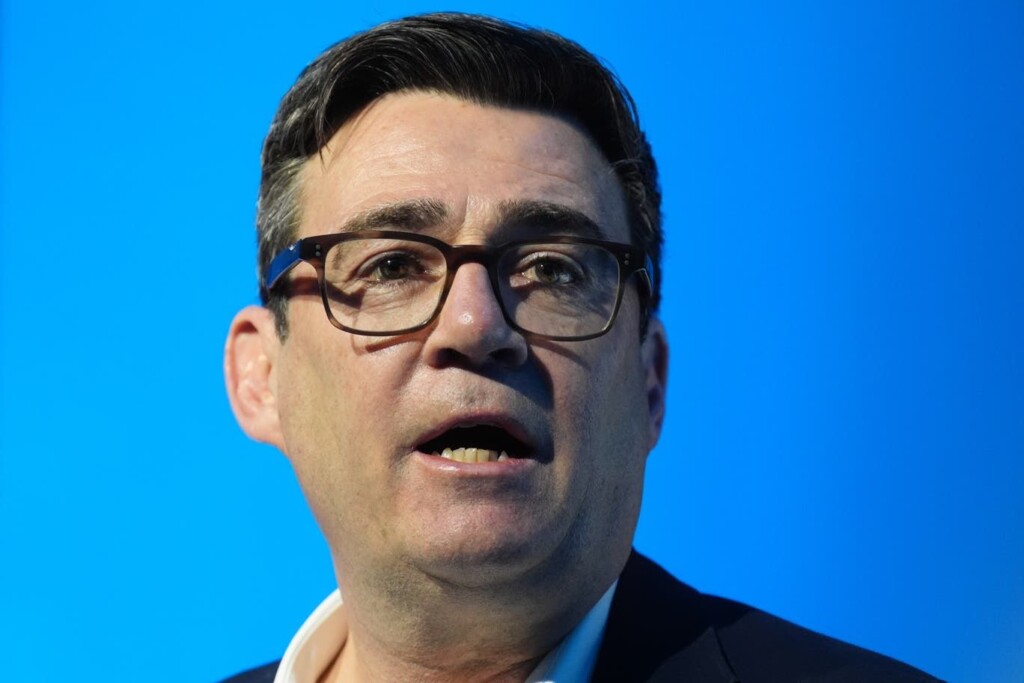
Attention has increasingly turned to figures such as Andy Burnham, although no formal contest has been declared. Internal divisions over policy direction, especially on Europe and economic strategy, continue to shape Labour’s political landscape.

Labour Faces Uncertain Internal Future
As debate intensifies, Labour faces a period of internal uncertainty over its leadership structure, ideological direction, and electoral strategy.
Streeting’s intervention has added momentum to discussions about whether the party should adopt a more radical policy platform or maintain its current centrist approach ahead of the next general election.
About The Author
