

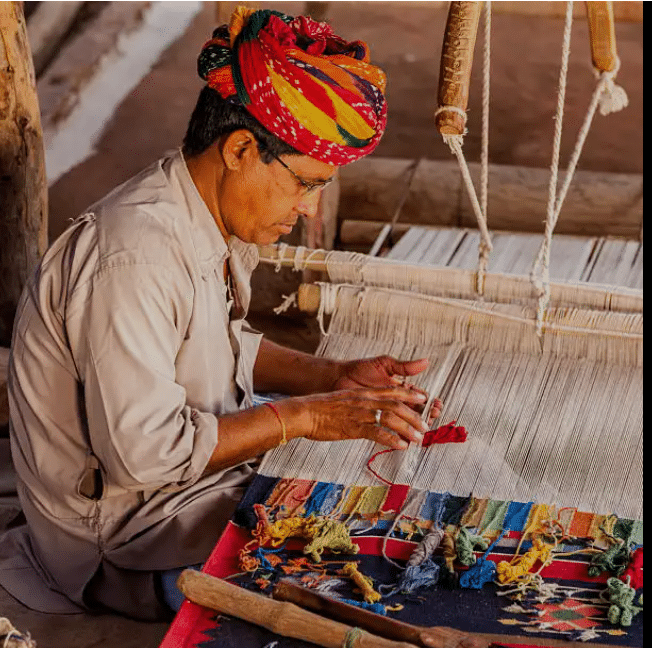
The imposition of 50% tariffs by the US on Indian carpets has brought the industry to a standstill.
Surya Mani Tiwari, a 78-year-old carpet exporter from Bhadohi, India, has seen his business come to a screeching halt.
“We are completely dependent on the US for our business and have no other markets. The tariffs have brought our production to a halt, and no consignment has been dispatched to the US for the past one month,” Tiwari told Al Jazeera.
The carpet industry in Bhadohi, known as the carpet city of India, employs over 2.5 million people and has a turnover of 160 billion rupees ($1.83 billion).
The industry is predominantly export-based, with the US being the major market. Piyush Baranwal, director of the Carpet Export Promotion Council (CEPC), said, “We have been ruined with such high tariffs as the carpet industry runs completely on exports with a very negligible domestic presence.”
The tariffs have had a devastating impact on weavers and exporters. Sanjay Gupta, a carpet exporter, said, “The weavers are a major force here.
The sudden tariffs will have major repercussions, as it might trigger large-scale migration of unemployed people to other states and would be difficult to bring them back in the future.”
Md Zakir Hussain, a carpet exporter and manufacturer, fears that India’s competitors, such as Turkiye and Pakistan, will snatch their market share in the US.
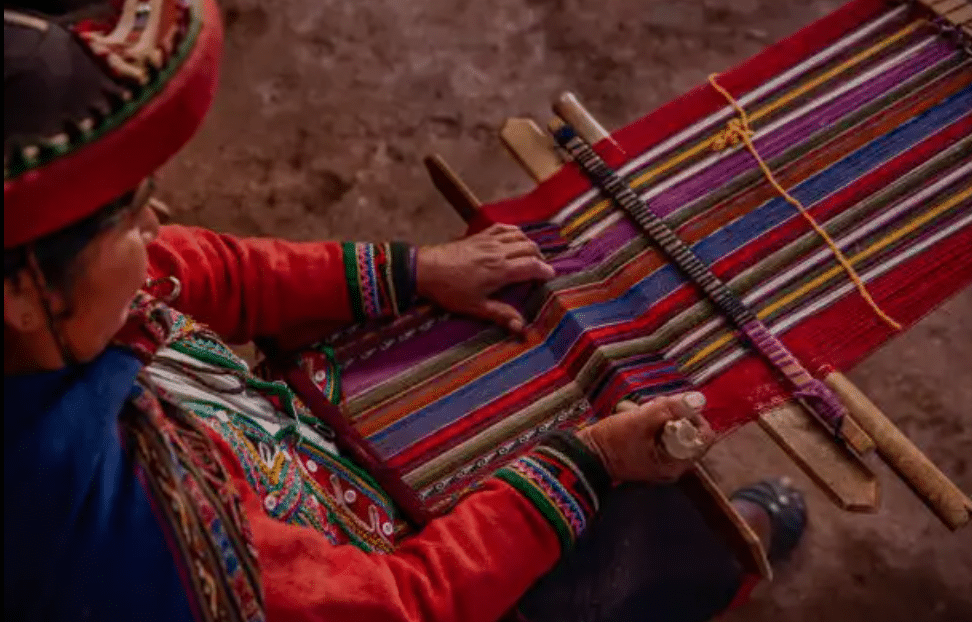
The industry has already seen significant job losses, with around 100,000 people losing their jobs. Raza Khan, president of the All India Carpet Manufacturers Association (AICMA), warned that the number could reach 700,000 in the next two months if the situation does not improve.
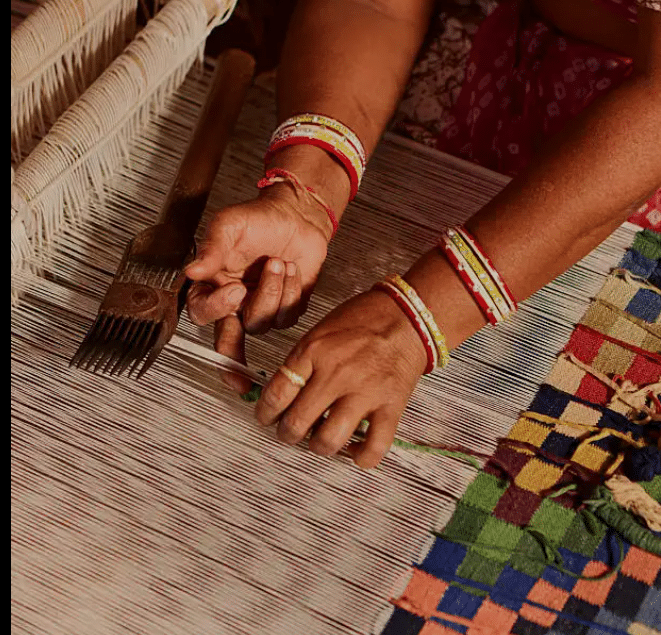
Fatima Samir, a 30-year-old mother of three daughters, who works on binding carpets, has seen her income cut down.
“I am trying to give a good education to my daughters and do not want them to get involved in this menial work. But the dwindling work worries me. Who knows what will happen in the future?” she said.
The carpet industry has urged the Indian government to take immediate action to resolve the issue. Imtiaz Ansari, a carpet manufacturer and exporter, said, “we have curtailed down the working hours of our employees to just three days in a week due to the present crisis. We might have to start retrenching them if the situation remains the same.”
Obaidulla Asri, a local journalist, warned that the starvation of orders will have a deadly impact not only on the industry and its workforce but also on the entire economy of the city.
The US tariffs have brought the Indian carpet industry to a critical juncture. The industry’s survival depends on the Indian government’s ability to negotiate with the US and find a solution to the tariff issue. As the situation continues t noo unfold, the fate of millions of people employed in the industry hangs in the balance.
India’s carpet industry could explore diversifying to other nations, including African countries, to reduce dependence on the US market.
This could help mitigate the impact of tariffs imposed by one country. Diversification would enable India to tap into new markets, potentially offsetting losses and stabilizing the industry. It’s a strategy worth considering to build resilience against trade disruptions.
The World Trade Organization (WTO) plays a crucial role in regulating international trade and resolving disputes between countries.
In the case of Trump’s tariffs, the WTO could potentially be involved in determining their legality.
Countries affected by the tariffs could file a complaint with the World Trade Organization, which would then investigate and make a ruling.
The issue however is should the World Trade Organization wait till the affected countries lodge complaints when things are happening on the International scene in full public glare? Or that the Trump’s administration is too big to be challenged by the World Trade Organization?
There were insinuations in various quarters that the world trade organization could be locked up if it’s decisions are unpopular or in tandem with Trump’s policies.
The above assertion stemmed from how the US President have treated Public office holders and handling the deployment of National troops to democratically elected States.
The US president does not appear to have any regard for anyone who opposes his stance on any issues. This could be one of the reasons why the World Trade Organization under the Dr. Ngozi Okonjo Iweala have refused to challenge the legality or otherwise of the Trump’s “illegal sweeping tariffs”.
This process can help ensure that trade policies comply with global trade agreements. For more insights, trying a search might yield helpful results.
About The Author
