A US-backed Ukraine peace plan has emerged, proposing significant territorial concessions to Russia, igniting intense debate across Kyiv and Western capitals.
The controversial Trump 28-point plan reportedly seeks to end Russia’s four-year invasion of Ukraine while favoring Moscow’s strategic goals.
Ukraine’s MP Oleksiy Goncharenko shared a leaked document showing the plan would require Kyiv to surrender Crimea, Luhansk, and Donetsk regions.
US Ambassador to the United Nations Mike Waltz confirmed Washington offered “generous terms” to Russia, including potential sanctions relief for Moscow.
“The United States has invested at the highest levels, the president personally, to end this war,” Waltz told the UN Security Council.
According to reports, the draft would limit Ukraine’s military to 600,000 active personnel, significantly below current estimates of nearly 900,000 soldiers.
Russia’s attacks continue unabated, with recent strikes on Zaporizhia killing five civilians and injuring three, emergency services confirmed.
The plan proposes a Donbas buffer zone, described as a “neutral, demilitarized area” where Ukrainian troops would withdraw from current positions.
“This zone must be respected by both parties,” Goncharenko stated, highlighting the strategic importance of eastern Ukraine under the proposed plan.
Ukraine retains the right to pursue EU membership, but NATO troop deployment on its soil would be prohibited permanently under the US-backed Ukraine peace plan.
Joint US-Ukraine efforts are planned to restore and modernize gas infrastructure, including pipelines and storage facilities, ensuring energy security for Kyiv.

Control of the Zaporizhia Nuclear Power Plant would be shared equally between Russia and Ukraine, under IAEA supervision, according to the draft.
AFP reports indicate that the Trump 28-point plan requires Ukraine to withdraw from Donetsk areas still partially under Kyiv control, handing them to Russian administration.
The Associated Press added the proposal includes limiting Ukraine’s military capability, emphasizing Russia’s continued influence over Eastern European security dynamics.
Zelenskyy emphasized Ukraine’s determination, saying, “Ukraine needs peace. But real peace respects our independence, sovereignty, and the dignity of the Ukrainian people.”
European allies expressed concern that the US-backed Ukraine peace plan heavily favors Russia, potentially undermining Western unity and Ukraine’s sovereignty.
Russia’s re-admission to the G8 under the plan is intended to integrate Moscow back into the global economy despite ongoing international sanctions.
White House Press Secretary Karoline Leavitt said both Ukrainians and Russians contributed to drafting the plan, with Secretary of State Marco Rubio involved.
The plan also envisions $100 billion from frozen Russian assets dedicated to rebuilding Ukraine’s war-torn infrastructure and economy.
European fighter jets could be stationed in Poland to provide security coverage for Ukraine, as per the framework outlined in the US-backed Ukraine peace plan.
“This is a working document,” said Waltz. “It reflects our best efforts to achieve a sustainable peace while balancing regional realities.”
Critics argue that forcing Ukraine to cede territory to Russia could violate the Ukrainian constitution and risk political instability in Kyiv.
Russia’s state TASS agency confirmed details shared by Goncharenko, describing them as a “Ukrainian translation of 28 points of the new American peace proposal.”
The Trump 28-point plan requires Ukraine to withdraw from the part of Donetsk it currently controls, establishing a formal Donbas buffer zone.
“The withdrawal zone will be considered neutral and demilitarized,” Goncharenko explained, underscoring the potential impact on frontline military operations.
The draft also proposes joint economic projects, including US-Ukraine cooperation in gas infrastructure and energy distribution networks across the country.
Zelenskyy’s office confirmed receipt of the draft plan and scheduled discussions with US representatives in coming days.
Analysts warn the US-backed Ukraine peace plan could divide European allies, as some fear it legitimizes Russia’s territorial ambitions.
Limiting Ukraine’s army to 600,000 personnel would reduce its capacity to respond to future aggression, AFP reported, raising security concerns in Kyiv.
“The United States believes these terms offer Russia a dignified peace while preserving Ukraine’s sovereignty,” Leavitt stated in a White House briefing.
The Zaporizhia Nuclear Power Plant provision allows equal electricity sharing between Ukraine and Russia, with oversight from the International Atomic Energy Agency.
Zelenskyy peace response remains cautious; the president insists on conditions that prevent future Russian invasions and respect Ukrainian independence.
Russia would be prohibited from future attacks on Ukraine, a key concession Washington hopes will solidify a lasting ceasefire in the region.
The Trump 28-point plan also requires Ukraine to formally agree never to join NATO, a major security and diplomatic compromise for Kyiv.
European observers have warned that the US-backed Ukraine peace plan could embolden Moscow while undermining NATO’s deterrence credibility in Eastern Europe.
US officials insist the plan reflects months of behind-the-scenes consultations, with contributions from Ukrainian leaders, including military and political advisors.
“The goal is to achieve peace that is real, lasting, and enforceable,” Waltz told the UN council, stressing American commitment to Ukrainian sovereignty.
Russia continues to consolidate control over Donbas, even as about 14 percent remains under Ukrainian administration, according to AP reports.
Limiting Ukraine’s armed forces would prevent escalation but may spark domestic opposition to the US-backed Ukraine peace plan, analysts suggest.
The Donbas buffer zone would serve as a strategic de-escalation area, separating Russian and Ukrainian forces to reduce frontline confrontations.
US officials are promoting the Trump 28-point plan as a comprehensive framework addressing territorial, military, and economic issues between Ukraine and Russia.
Zelenskyy peace response emphasizes dignity and sovereignty, stating, “Peace must not come at the cost of Ukraine’s independence or territorial integrity.”
Financial provisions include directing $100 billion of frozen Russian assets to rebuilding schools, hospitals, and infrastructure damaged during the conflict.
Joint energy projects under the plan aim to stabilize Ukraine’s gas supply and reduce vulnerability to Russian energy leverage.
The US-backed Ukraine peace plan also seeks to provide a mechanism for Russia’s reintegration into global economic institutions, including G8 membership.
Kyiv faces a delicate balance, weighing immediate peace against long-term sovereignty and constitutional legality, as the Trump 28-point plan gains attention.
The Associated Press noted the plan’s proposals would require Ukraine to accept partial territorial concessions while maintaining limited defensive capability.
Zelenskyy emphasized Ukraine’s commitment to EU integration, but NATO membership restrictions remain a point of contention under the US-backed Ukraine peace plan.
Critics argue that the Donbas buffer zone may not be respected by Russia, creating potential flashpoints despite formal agreements.
Leavitt stressed that the White House consulted both Ukrainian and Russian representatives to ensure the Trump 28-point plan addresses security and economic issues.
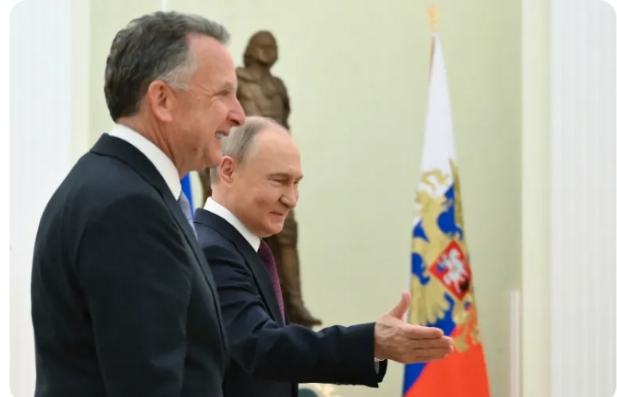
The ongoing conflict in Zaporizhia underscores the urgency of negotiations, with civilians continuing to face risk amid Russian artillery strikes.
US officials emphasize that limiting military size is intended to reduce the likelihood of future escalation while providing Ukraine a path toward reconstruction.
Goncharenko’s Telegram post detailing the full 28-point peace plan has generated widespread discussion and debate within Ukraine and internationally.
The Trump 28-point plan requires Ukraine to cede Crimea officially, though Kyiv has long rejected any transfer of sovereignty over the peninsula.
Russian attacks in Donbas and southeastern Ukraine continue, highlighting the high stakes and complexity surrounding implementation of the US-backed Ukraine peace plan.
Zelenskyy peace response includes prioritizing international law and Ukrainian constitutional limits, even while engaging in negotiations with US representatives.
US-backed Ukraine peace plan proponents argue that economic incentives and joint projects could help stabilize Ukraine’s infrastructure and energy security.
The plan also outlines mechanisms for shared electricity generation at Zaporizhia Nuclear Power Plant under IAEA supervision.
Analysts suggest that the US-backed Ukraine peace plan may be the most comprehensive attempt yet to negotiate a ceasefire while balancing territorial demands.
Russia’s integration into global financial and political structures is viewed as essential by the US to encourage compliance with ceasefire agreements.
Zelenskyy peace response remains measured; the president has stressed negotiations must avoid compromising Ukrainian sovereignty or future defensive capabilities.
The Donbas buffer zone, while proposed as neutral, would require strict monitoring to prevent violations and renewed clashes between Ukrainian and Russian forces.
US officials continue diplomatic efforts, emphasizing the Trump 28-point plan as a framework for a sustainable settlement acceptable to both Kyiv and Moscow.
Ongoing violence in southern and eastern Ukraine underscores the difficulty of implementing any US-backed Ukraine peace plan without strong international enforcement mechanisms.
Leavitt confirmed Washington’s commitment to using frozen Russian assets for reconstruction and economic recovery in Ukraine.
“The Trump 28-point plan is designed to protect Ukraine while providing incentives for Russia to halt hostilities,” she said in a briefing.
Zelenskyy peace response reflects Ukraine’s priority to secure a fair and enforceable peace that respects constitutional and international legal frameworks.
US-backed Ukraine peace plan provisions also cover military restrictions, economic partnerships, and international oversight to prevent renewed aggression.
Kyiv’s political and public reception of the plan remains divided, with widespread concern over concessions and military limitations.
The Trump 28-point plan has drawn both praise and criticism, with some analysts calling it a pragmatic approach and others labeling it overly favorable to Russia.
Zelenskyy’s office confirmed that discussions with US envoys would continue, signaling Ukraine’s willingness to explore diplomatic solutions.
The Donbas buffer zone remains a critical component, intended to reduce the likelihood of renewed clashes along the eastern front.
US-backed Ukraine peace plan proponents argue that its multi-faceted approach addresses security, territorial, and economic issues comprehensively.
Russia’s continued military activity highlights the ongoing challenges facing Kyiv, reinforcing urgency for negotiation and conflict resolution.
The Trump 28-point plan envisions a long-term framework balancing concessions, reconstruction, and international oversight to achieve sustainable peace.
: