

Ukraine has received additional U.S.-made Patriot air defense systems, President Volodymyr Zelenskyy confirmed, as Russian forces intensified overnight missile and drone strikes across multiple Ukrainian regions.
Zelenskyy said the new Ukraine air defense systems have already been deployed to protect vital infrastructure and cities from Russia’s persistent barrages targeting civilians and energy grids.
The president, speaking in a late-Sunday address, thanked Germany and the United States for their ongoing commitment, emphasizing that “more Patriots are now in Ukraine and being put into operation.”
According to him, “Of course, more systems are needed to protect key infrastructure sites and our cities across the entire territory of our state.” His message reflected Kyiv’s continued plea for advanced defenses.
Russia’s daily assaults have battered Ukraine’s urban centers since Moscow launched its full-scale invasion nearly four years ago. Thousands of civilians have died, while homes, hospitals, and factories have been destroyed.
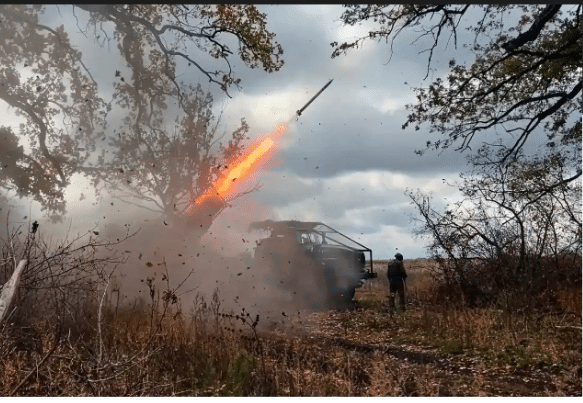
Officials say the Ukraine air defense systems remain the nation’s lifeline, intercepting dozens of incoming missiles and drones each week that could otherwise devastate power stations, refineries, and residential neighborhoods.
Patriot systems, designed to intercept ballistic and cruise missiles at high altitudes, have proven crucial in defending Kyiv and other major cities. They are considered the most effective U.S.-made air defense technology currently available to Ukraine.
Germany has led Europe in supplying these Patriot units, handing over more from its stockpiles than any other ally. Berlin’s Defense Ministry said the latest transfer fulfills a pledge made three months ago.
German Chancellor Friedrich Merz reaffirmed his country’s commitment Monday, stating, “Ukraine’s defense is Europe’s security. Every missile stopped over Kyiv is one less that could threaten us tomorrow.”
The delivery was made possible after Washington agreed to backfill Germany’s supply with newly produced Patriots from U.S. factories, highlighting deep transatlantic coordination despite global production limits.
Production constraints have long slowed the distribution of advanced air defense systems. Both the U.S. and its European partners maintain limited stockpiles, balancing domestic defense needs with Ukraine’s urgent requests.
Still, Western support remains critical. NATO officials confirmed the alliance continues to coordinate large weapons packages that include missiles, drones, and radar systems to sustain Ukraine’s resistance through the winter.
European allies and Canada have been purchasing equipment largely from American suppliers due to the U.S.’s greater inventories and superior technology. Yet, the Trump administration has halted direct arms transfers to Kyiv, diverging sharply from the previous Biden-era policy.
Despite that shift, allied coordination through NATO has ensured deliveries continue indirectly, preserving Ukraine’s defense capacity as the war grinds into another winter campaign.
Ukraine’s Air Force reported that between Sunday and Monday, Russian forces launched twelve missiles and at least 138 strike and decoy drones. Air defense crews intercepted most, but several penetrated defenses.
One drone struck a house in the northeastern Sumy region, killing a man and injuring five family members, including two children. “The Russians cynically targeted people — deliberately, at night, while they were sleeping,” regional head Oleh Hryhorov wrote on Telegram.
Two women were also wounded in another attack in the same region, while a separate missile in central Dnipro sparked a fire at a local business, injuring one man, officials confirmed.
In southern Mykolaiv, drones hit energy infrastructure, temporarily cutting power to thousands. Regional head Vitaliy Kim said crews were working “around the clock” to restore electricity before temperatures drop further.
The Ukraine air defense systems have been stretched thin across the country’s vast territory. Military officials say they are forced to make difficult decisions about which regions to protect each night.
“Every new Patriot battery saves lives,” said Ukrainian Air Force spokesperson Yurii Ihnat. “But the enemy adapts quickly, using decoys and mixed attacks to overwhelm our defenses.”
The intensity of Russia’s attacks has risen sharply in recent months. Analysts believe the Kremlin aims to exhaust Ukraine’s ammunition and weaken morale before winter, when energy disruptions can be most crippling.
Meanwhile, Ukraine has intensified its own campaign against Russian economic targets, striking oil refineries deep inside Russian territory in an attempt to undermine Moscow’s war financing.
According to Ukraine’s General Staff, the Saratov oil refinery, located roughly 500 kilometers from the border, was hit overnight, igniting a large fire. It marked the fourth strike on the installation in seven weeks.
The refinery processes several million metric tons of crude annually and is among Russia’s key energy assets. Repeated attacks have forced temporary shutdowns and emergency repairs.
Last week, Zelenskyy said Ukraine’s long-range drone and missile strikes had reduced Russia’s overall oil refining capacity by nearly 20%. “These are necessary measures to limit the aggressor’s ability to fund terror,” he said.
While Kyiv’s drone capabilities remain limited compared to Moscow’s, Ukraine’s domestic arms industry has rapidly advanced. Production of long-range drones and missiles has expanded despite Russia’s attempts to bomb factories and research facilities.
Western intelligence sources told AP that the Ukraine air defense systems now not only intercept attacks but also create safe zones that allow Ukrainian engineers to continue manufacturing advanced drones and missiles.
Energy experts warn, however, that Russia’s ongoing assault on power grids could still plunge parts of Ukraine into darkness. The Kremlin has repeatedly targeted substations and thermal plants to pressure civilians during the cold months.
The government has urged citizens to conserve electricity and prepare backup power sources, recalling the blackouts that gripped Kyiv and Odesa last winter.
NATO Secretary General Jens Stoltenberg recently praised Ukraine’s resilience, stating, “Every intercepted missile is a victory of courage and cooperation. Ukraine’s defense strengthens the entire Euro-Atlantic family.”
Still, military analysts caution that more help is needed. Patriot systems alone cannot cover Ukraine’s entire territory. Experts estimate at least 25 full batteries would be required to create a reliable nationwide shield.
Currently, Ukraine operates only a fraction of that number, supported by Germany’s IRIS-T and Skynex systems and U.S.-made NASAMS. Each plays a distinct role, forming a layered air defense network.
“Russia’s missile campaign is relentless, but so is Ukraine’s determination,” said defense analyst Oksana Hruzdova. “Every Patriot launch represents not just technology — it represents hope.”
The arrival of additional Ukraine air defense systems offers a morale boost to war-weary citizens who have endured months of bombardment. Street interviews in Kyiv reveal cautious optimism.
“We feel safer knowing our soldiers can shoot down those rockets,” said Olena, a shopkeeper in the capital. “But we still need peace, not just defense.”

As winter looms, Ukraine braces for renewed Russian offensives, energy shortages, and continued diplomatic struggles. Yet Zelenskyy insists the nation will endure with Western backing.
“Together, we will defend freedom and rebuild our country,” he said. “Ukraine’s strength lies in its people and the unity of our partners.”
About The Author


