

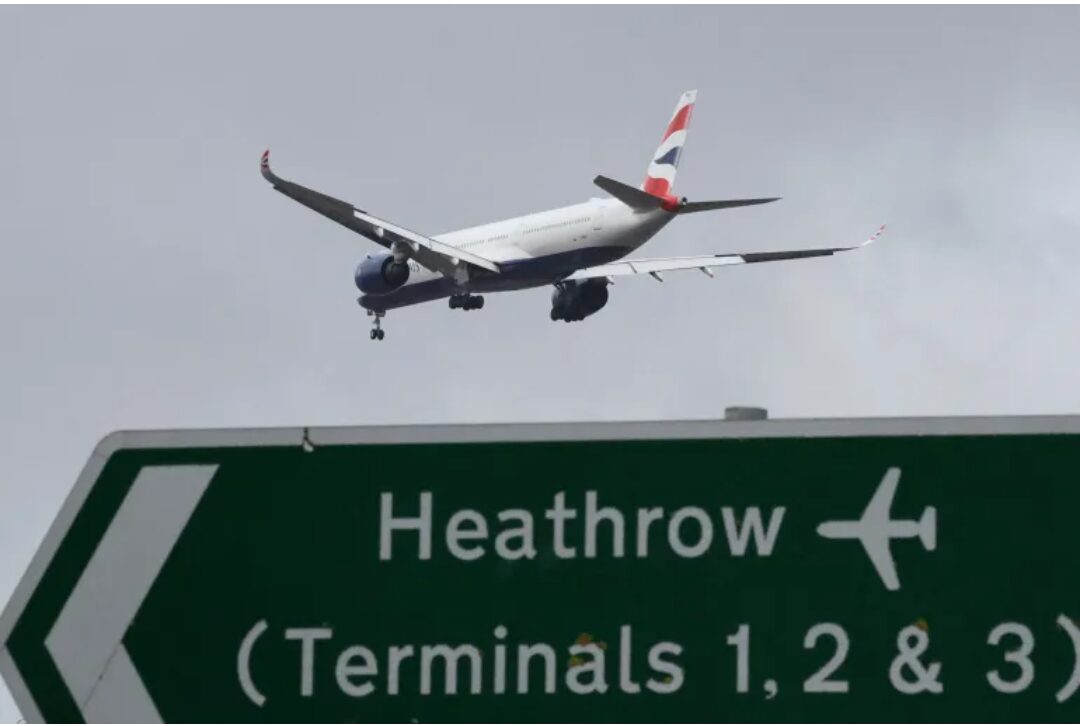

A technical issue with the UK‘s air traffic control system has caused disruptions to flights across the country. The National Air Traffic Services (NATS) reported the glitch, but later confirmed that the issue had been resolved and departures at all airports had resumed.
“Our systems are fully operational and air traffic capacity is returning to normal,” NATS said in a statement on Wednesday. The outage affected several major airports, including Heathrow, Gatwick, and Edinburgh. Heathrow Airport, Britain’s largest airport and Europe’s busiest, confirmed that flights had resumed but advised passengers to check with their airline before traveling.
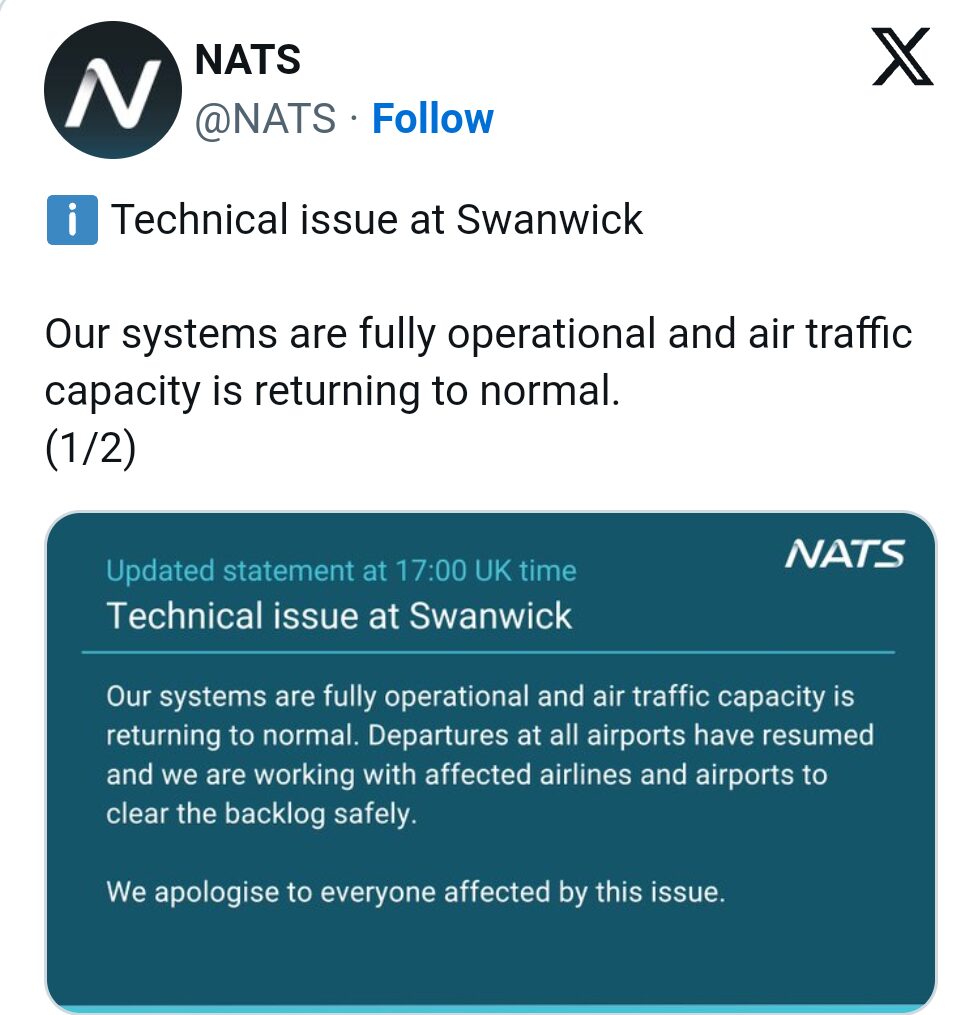
“Flights at Heathrow have resumed following a technical issue at the NATS Swanwick air traffic control centre. We are advising passengers to check with their airline before travelling,” an airport spokesperson said. London City Airport also reported disruptions earlier in the day. The exact duration of the outage was not immediately clear.
The NATS system has experienced several software-related failures since it opened in 2002. In August 2023, flights across Britain were disrupted after the automatic processing of flight plans malfunctioned, affecting hundreds of flights and over 700,000 passengers. Britain’s aviation regulator later stated that NATS needed to review its contingency plans for outages, citing the significant impact on airlines and passengers.

The recent technical issue is a reminder of the importance of robust air traffic control systems and the need for effective contingency planning to minimize disruptions. As NATS works to clear the backlog safely, passengers are advised to check with their airlines for updates on flight status.
In August 2023, a significant technical issue affected the UK’s air traffic control system, causing widespread disruptions to flights across Britain. The automatic processing of flight plans malfunctioned, impacting hundreds of flights and over 700,000 passengers. This incident highlighted the importance of robust air traffic control systems and effective contingency planning to minimize disruptions. Britain’s aviation regulator emphasized the need for improvement, citing the substantial impact on airlines and passengers.
Key Aviation Safety Concerns:
- Technical Issues: Regular maintenance and updates are crucial to prevent technical faults that can compromise safety.
- Contingency Planning: Effective planning helps minimize disruptions and ensures passenger safety during technical issues.
- Air Traffic Control: Robust systems and trained personnel are essential for safe and efficient air traffic management.
- Passenger Awareness: Staying informed about flight status and following airline instructions can help passengers navigate disruptions smoothly.
To ensure aviation safety, it’s crucial for airlines, air traffic control, and regulatory bodies to prioritize robust systems, effective contingency planning, and regular maintenance. By doing so, they can minimize disruptions and maintain the highest safety standards for passengers and crew.
About The Author
