

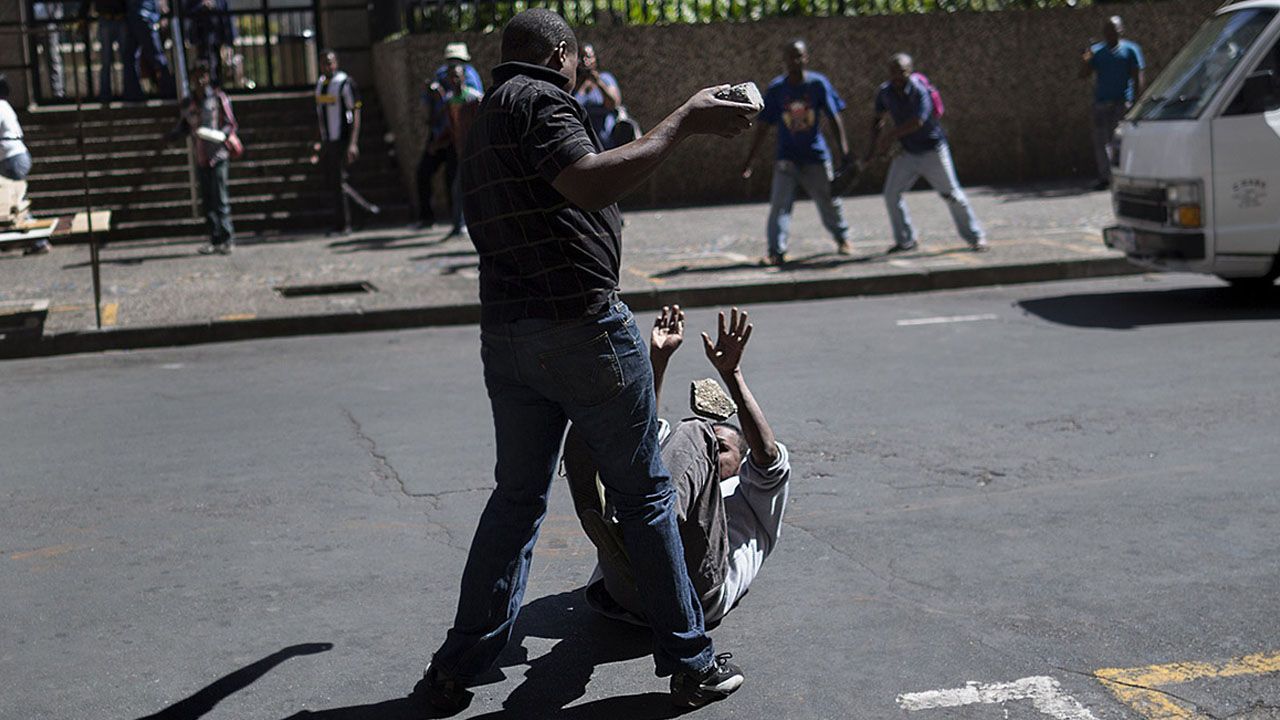
Two Nigerians have been killed in South Africa as xenophobic tensions rise. Pretoria rejects Nigeria’s compensation request for victims’ abandoned property
Concerns over the safety of Nigerians living in South Africa have intensified following the deaths of two Nigerian citizens in separate incidents linked to the country’s worsening security climate.
The latest developments come as diplomatic tensions also rise over South Africa’s refusal to compensate Nigerians who fled the country after renewed anti-foreigner violence.
The Nigerian Consulate in Johannesburg confirmed the deaths of the two victims in a statement, identifying them as Emeka Iroegbu and Musa Joe. Both men reportedly lost their lives on Sunday, June 28, but under different circumstances.
According to the consulate, Musa Joe was allegedly killed by suspected criminals in Witbank, a town in Mpumalanga Province. While authorities are yet to release full details surrounding the attack, the incident has added to growing fears among Nigerians residing in different parts of South Africa.
The death of Emeka Iroegbu has generated even greater concern due to allegations that he died after being tortured by members of the Tshwane Metro Police in Sunnyside, a suburb of Pretoria.
The Nigerian Consulate alleged that Iroegbu was subjected to severe physical abuse while in the custody of the metro police. It claimed the injuries he sustained during the alleged torture eventually led to his death, describing the incident as deeply disturbing and calling for a transparent investigation.
Although South African authorities have not publicly responded in detail to the allegations, the incident is expected to receive diplomatic attention as Nigerian officials seek accountability over the circumstances surrounding his death.
The latest killings come at a time when many Nigerians are already leaving South Africa following a fresh wave of anti-foreigner protests that have reignited fears of xenophobic violence.
Over the past few months, community groups campaigning against undocumented migrants have organised demonstrations in several parts of the country.
The campaign intensified after one of the groups issued an ultimatum directing undocumented foreign nationals to leave South Africa before June 30, 2026.
While the South African government has maintained that it does not support the actions of the protest group, many affected migrants believe authorities have not done enough to prevent intimidation, attacks and the destruction of businesses belonging to foreign nationals.
The renewed unrest has forced hundreds of Nigerians to abandon their homes, shops and investments in search of safety.
Official figures indicate that no fewer than 859 Nigerians have so far been evacuated from South Africa since the latest wave of protests began. Many reportedly returned to Nigeria with little more than their personal belongings after leaving behind businesses built over several years.
In response to the losses suffered by its citizens, the Nigerian government announced plans to seek compensation from South Africa.
The Acting Nigerian High Commissioner to South Africa, Temitope Ajayi, disclosed that Nigerian authorities had begun documenting the financial losses incurred by affected citizens.
According to him, the exercise is intended to provide evidence for future diplomatic discussions on possible compensation for businesses, homes and other valuable assets abandoned during the crisis.
However, South Africa has firmly rejected any suggestion that it should compensate those affected.
Speaking during a press briefing on Friday, Minister in the Presidency Khumbudzo Ntshavheni dismissed the proposal, insisting that the South African government would not pay compensation for properties left behind by foreign nationals.
She also made remarks linking Nigerians to illegal drug activities, saying authorities would be interested in identifying locations where drugs were allegedly stored so they could eliminate such operations.
The comments have sparked criticism from many Nigerians, who argue that such statements unfairly generalise an entire community based on the actions of a few individuals. Critics also warn that such rhetoric could worsen public hostility towards law-abiding migrants living in South Africa.
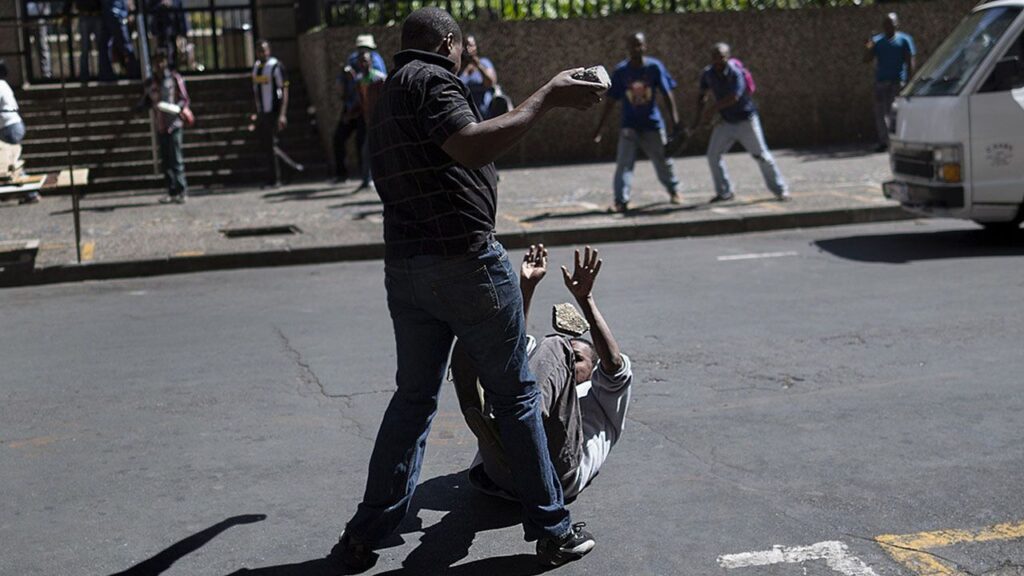
Xenophobic violence has remained a recurring challenge in South Africa for more than a decade, with foreign nationals from several African countries frequently becoming targets during periods of economic hardship, unemployment and social unrest.
Thousands of Nigerians live and work legally across South Africa, contributing to sectors including trade, education, healthcare, technology and small-scale business. However, repeated outbreaks of violence have left many living in fear and uncertainty.
The deaths of Emeka Iroegbu and Musa Joe have once again drawn attention to the urgent need for stronger protection of foreign nationals and closer cooperation between Nigeria and South Africa on issues of security and justice.
As investigations continue into both deaths, many Nigerians are looking to their government to ensure that those responsible are held accountable while diplomatic efforts continue to safeguard the welfare of citizens living abroad.
Related news:
Nigerians evacuated from South Africa return home amid Federal support

Xenophobic attacks: NLC condemns violence against Nigerians in South Africa
About The Author
