

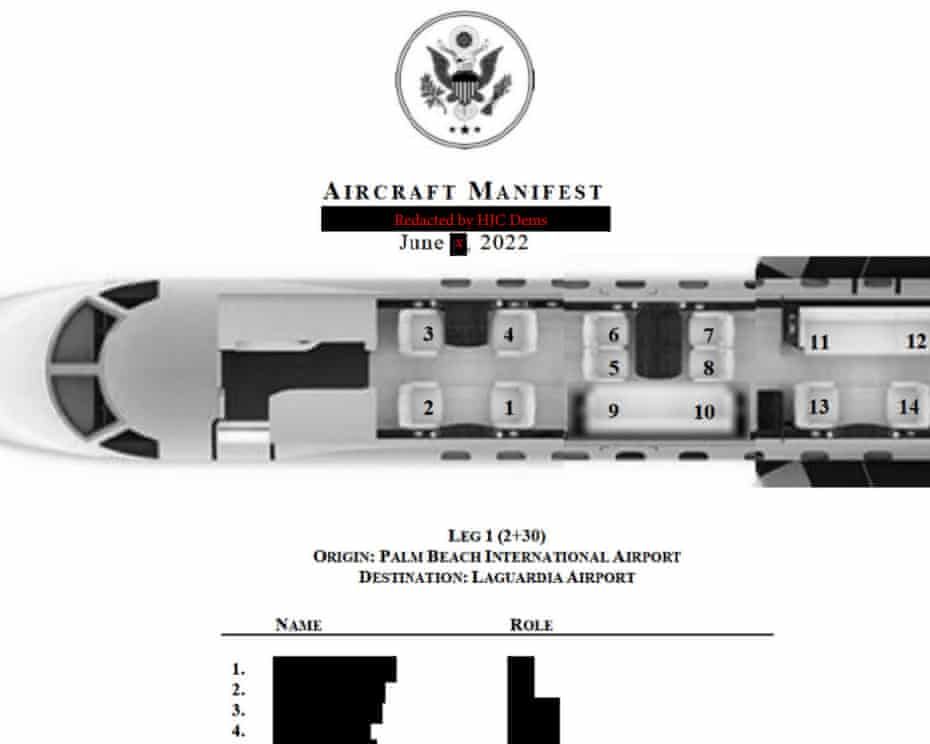
Federal prosecutors examined whether Trump classified map material was disclosed on a private plane after he left office, according to documents reviewed by the House judiciary committee, adding a new dimension to ongoing investigations.
The alleged incident reportedly occurred in 2022 and was documented in a January 2023 briefing memo prepared for the attorney general. The memo suggests that sensitive materials, including a classified map, may have been shown to individuals on board the aircraft.
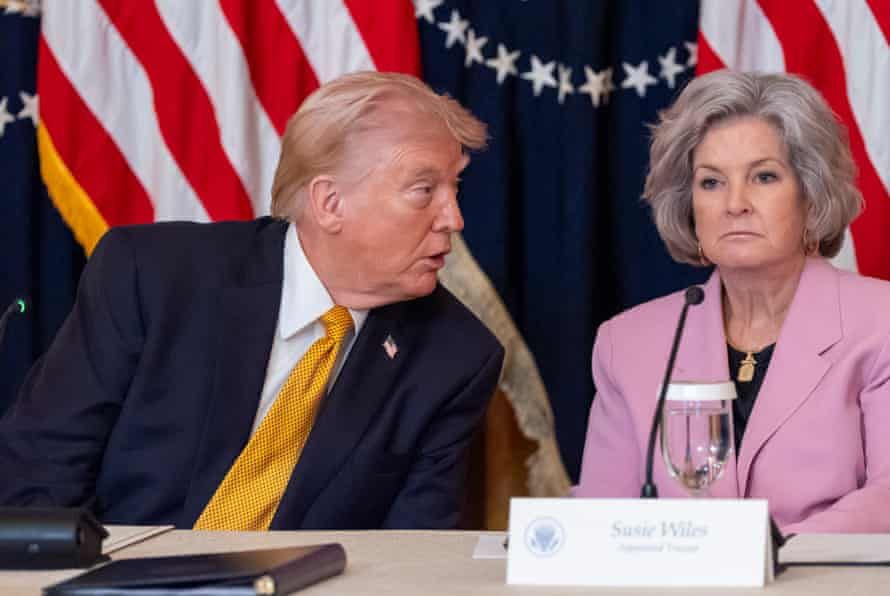
Among those present on the flight was Susie Wiles, who later became Trump’s chief of staff. The materials reviewed indicate she may have witnessed the event, raising questions about the handling and exposure of classified information.
The Trump classified map issue forms part of a broader legal inquiry into how classified documents were managed after Trump left office. Prosecutors have already pursued related charges involving retention of sensitive materials at Mar-a-Lago.
Another similar incident cited in legal filings involved a classified map being displayed at Trump’s Bedminster property. It remains unclear whether the maps referenced in these separate incidents were identical or distinct.
The handling of classified materials has been central to ongoing legal and political debates, with prosecutors arguing that some documents retained by Trump contained highly sensitive national security information.
Officials have also pointed to storage conditions at Mar-a-Lago, where documents were reportedly kept in unsecured locations. Concerns have been raised about access to such materials and potential risks to national security.
In addition, prosecutors have suggested that some retained documents may have been linked to business interests, raising questions about motive and intent behind their retention.
Legal documents indicate that only a small number of individuals were authorized to access certain highly classified compartments, underscoring the restricted nature of the information involved.
Lawmakers have since called for further transparency, requesting clarification on who witnessed the alleged disclosure and what additional documents may have been involved in the investigation.
The inquiry also touches on broader issues surrounding executive authority, document classification, and the legal responsibilities of former officeholders in handling sensitive government materials.
Observers note that the Trump classified map investigation could influence future legal standards for handling classified information, especially in cases involving high-ranking officials.
The case continues to evolve as investigators review evidence and seek additional details, with potential implications for both legal precedent and political accountability.
Additional developments are expected as the investigation progresses, with attention focused on how authorities interpret the handling of classified materials and the circumstances surrounding the alleged disclosure.
Further scrutiny may also examine the extent to which internal protocols were followed and whether any breaches of procedure occurred during the handling of sensitive information.
The outcome of the investigation could shape future policies governing classified material and reinforce expectations for strict compliance with national security regulations.
About The Author
