

Freight Forwarders Shut Down Shipping Firms in Lagos Over Tariff Hike Dispute
Freight forwarders operating across Nigeria’s busiest maritime corridor in Apapa, Lagos, have escalated tensions within the port ecosystem following a coordinated shutdown of major shipping companies over newly increased tariffs.
The action, which disrupted operations at several shipping lines, underscores growing resistance within the logistics value chain against rising operational costs and regulatory disagreements.
The protest, led by aggrieved clearing agents and logistics operators, reflects deeper concerns about transparency, stakeholder engagement, and the broader implications of cost increases on trade facilitation in Nigeria’s already strained port environment.
Shipping Charges Protest Lagos Ports Sparks Industry Tension
The shipping charges protest Lagos ports witnessed freight forwarders storming and shutting down offices of leading shipping firms, including Mediterranean Shipping Company (MSC), Lagos and Niger Shipping Company, and Pacific International Lines. The action effectively halted business activities, sending shockwaves across the maritime sector.
Industry operators insist the protest is not a one-off event but the beginning of sustained resistance until shipping companies reverse the controversial tariff increments. According to stakeholders, the increases were implemented in defiance of earlier directives by the Nigerian Shippers’ Council (NSC), which had called for a suspension pending wider consultations.
Femi Anifowose, Zonal Coordinator of the Association of Nigeria Licensed Customs Agents (ANLCA), described the move by shipping firms as a breach of regulatory understanding and stakeholder trust. He argued that unilateral pricing decisions in a sensitive sector like maritime logistics risk destabilising trade flows and inflating the cost of goods nationwide.
Dispute Over Regulatory Compliance and Stakeholder Engagement
At the heart of the crisis is a breakdown in communication between shipping companies, freight forwarders, and regulators. Industry players argue that no meaningful engagement took place before the implementation of the new charges, despite prior agreements to hold consultative meetings.
Frank Ogunojemitew, President of the African Association of Professional Freight Forwarders and Logistics of Nigeria, emphasised that the absence of dialogue undermines fairness in the system. He noted that pricing decisions must be justified with clear economic rationale, especially in a sector where costs directly impact importers, exporters, and ultimately consumers.
Freight forwarders have insisted on a return to the previous tariff regime as a condition for suspending the protest. They are also demanding a comprehensive stakeholders’ meeting where all parties can negotiate transparently and agree on acceptable pricing structures.
Shipping Firms Defend Actions Amid Regulatory Ambiguity
In response, representatives of shipping companies have maintained that there was no formal written directive mandating the suspension of the tariff increases. While acknowledging that verbal communication from the NSC advised caution, they argue that operational realities necessitated adjustments in charges.
Industry insiders suggest that shipping firms are grappling with rising global shipping costs, currency volatility, and operational expenses, all of which have pressured margins. However, critics argue that such justifications must be clearly communicated and validated through regulatory frameworks before implementation.
The Managing Director of MSC Nigeria reportedly confirmed that while discussions with regulators occurred, there was no documented instruction compelling compliance, highlighting a regulatory grey area that has now escalated into open confrontation.
Economic Implications for Nigeria’s Trade and Supply Chain
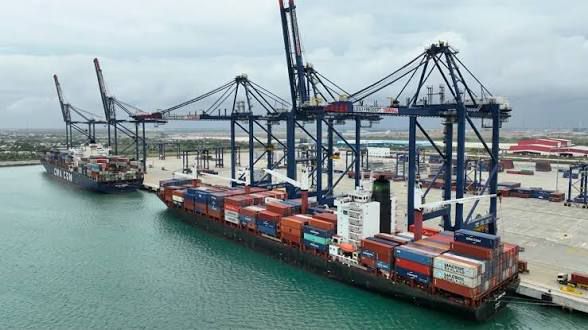
The shipping charges protest Lagos ports carries significant implications for Nigeria’s trade ecosystem. Apapa ports serve as the primary gateway for imports and exports, meaning any disruption can trigger delays, increased demurrage costs, and supply chain inefficiencies.
Analysts warn that prolonged standoffs could worsen congestion at the ports, increase turnaround times, and ultimately raise the cost of goods in the domestic market. Importers may pass additional costs to consumers, further exacerbating inflationary pressures in an already fragile economic environment.
There are also concerns about Nigeria’s competitiveness as a regional trade hub. Persistent disputes and operational disruptions could discourage international shipping lines and investors, redirecting cargo traffic to more stable ports in neighbouring countries.
Regulatory Challenges and the Path Forward
The Nigerian Shippers’ Council, as the economic regulator of the ports, finds itself at the centre of the crisis. Efforts by the agency to mediate were reportedly rebuffed by protesting agents, further complicating resolution efforts.
A senior official within the council criticised the conduct of freight forwarders, describing their actions as unprofessional and counterproductive to dispute resolution. The official warned that continued disruptions could lead to unintended financial consequences for operators, including increased demurrage charges due to delays.
However, stakeholders argue that the regulator must adopt a more proactive approach in enforcing compliance and ensuring that all parties adhere to agreed processes. The absence of clear, enforceable directives appears to have contributed significantly to the current impasse.
Industry at a Crossroads
The ongoing dispute highlights structural weaknesses within Nigeria’s maritime governance framework, particularly around pricing transparency, stakeholder engagement, and regulatory enforcement.
As tensions persist, industry observers believe that resolving the crisis will require a multi-stakeholder approach involving regulators, shipping companies, freight forwarders, and government authorities.
Clear policy direction, improved communication channels, and stronger enforcement mechanisms will be critical to restoring confidence and stability.
For now, the shipping charges protest Lagos ports remains a defining moment for Nigeria’s maritime sector—one that could reshape how pricing disputes and regulatory compliance are handled in the future.