Ten killed in Plateau State attacks in Kwi and Pushit communities as authorities call for urgent action to protect residents from ongoing violence.
At least ten people have been killed in Plateau State attacks across Riyom and Mangu Local Government Areas, Nigeria, in a series of violent incidents that occurred between Friday and Saturday, November 1, 2025.
The attacks have left communities shaken, residents fearful, and authorities under pressure to respond.
Seven people were confirmed dead in Kwi community, Riyom Local Government Area, while three others were killed in Pushit community, Mangu Local Government Area.
Eyewitnesses described chaotic scenes as attackers targeted unsuspecting villagers, including farmers working on their land.
Rwang Tengwon, a community leader in Kwi, confirmed the attacks to local media.
“Kwi community was attacked on Friday by suspected Fulani militia, resulting in seven fatalities. One person was also killed on his farm Saturday afternoon, and another attack occurred later that night,” he said.

His account emphasizes the brutality and recurring nature of Plateau State attacks affecting rural areas.
The Mwaghavul Development Association also confirmed the killings in Pushit. Its Director of Public Affairs, Friday Derwan, issued a statement calling on security agencies to act swiftly.
“We call upon security operatives in our local government area and Plateau State to rise to the challenge of curbing these unwarranted assaults on innocent lives,” Derwan stated.
Analysts say Plateau State attacks are part of a broader pattern of insecurity in the region, often stemming from clashes between farmers and herders, as well as criminal activities by armed groups exploiting local tensions.
Communities like Kwi and Pushit, primarily dependent on agriculture, remain highly vulnerable during periods of unrest.
Beyond the tragic loss of life, these attacks have caused widespread displacement. Many residents fled their homes in search of safety, some relocating to nearby towns or living with relatives.
Humanitarian organizations warn that without urgent intervention, continued violence could worsen food insecurity and disrupt local economies.
Security experts highlight that preventing future Plateau State attacks requires a multi-faceted strategy.
Increased patrols, early-warning systems, community policing, and dialogue with local leaders are essential steps to protect vulnerable populations.
“Security agencies must work closely with local communities to detect threats early and prevent further loss of life,” said one security analyst familiar with Plateau State.
State authorities have faced criticism for their perceived slow responses to prior incidents of violence. Civil society organizations and residents are demanding accountability and proactive measures to protect civilians.
Observers warn that failure to address the root causes of insecurity could result in more widespread unrest and destabilization of Plateau State communities.
Traditional and religious leaders have urged calm, appealing to residents not to resort to violence in retaliation. They stress that peace and dialogue remain the only sustainable solutions to the ongoing conflicts.
Meanwhile, families of the victims in Kwi and Pushit continue to mourn, organizing funeral and burial rites according to local customs.
The Mwaghavul Development Association reaffirmed its commitment to monitoring security developments and advocating for effective measures from state authorities.
Their statement reflects growing public concern over Plateau State attacks, particularly their frequency and intensity.
Experts warn that addressing the crisis requires tackling not only immediate security challenges but also socio-economic disparities, land disputes, and the proliferation of weapons in the region.
Comprehensive action could prevent further attacks and restore a sense of safety for communities living under constant threat.
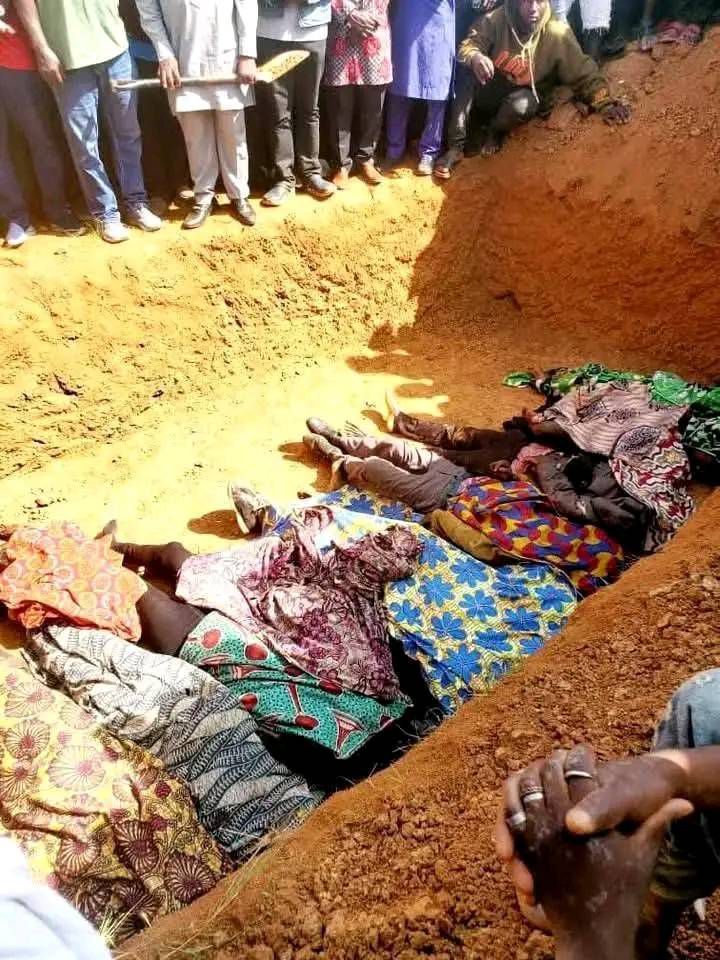
The recent Plateau State attacks, which claimed ten lives in Kwi and Pushit, highlight the urgent need for effective security measures and government intervention.
Communities remain on edge, and authorities must act decisively to prevent further loss of life, ensure stability, and rebuild confidence among residents. Only sustained efforts from both state security forces and local stakeholders can reduce the risk of future attacks and secure peace in Plateau State.
More news at ireport247news