Obasanjo warns Nigeria’s military must adopt specialized training and technology to defeat Boko Haram insurgency, 15 years after it began.
Former President Olusegun Obasanjo has expressed grave concern over the enduring Boko Haram insurgency, which has plagued Nigeria for 15 years, far outlasting the Nigerian Civil War that lasted just 30 months.
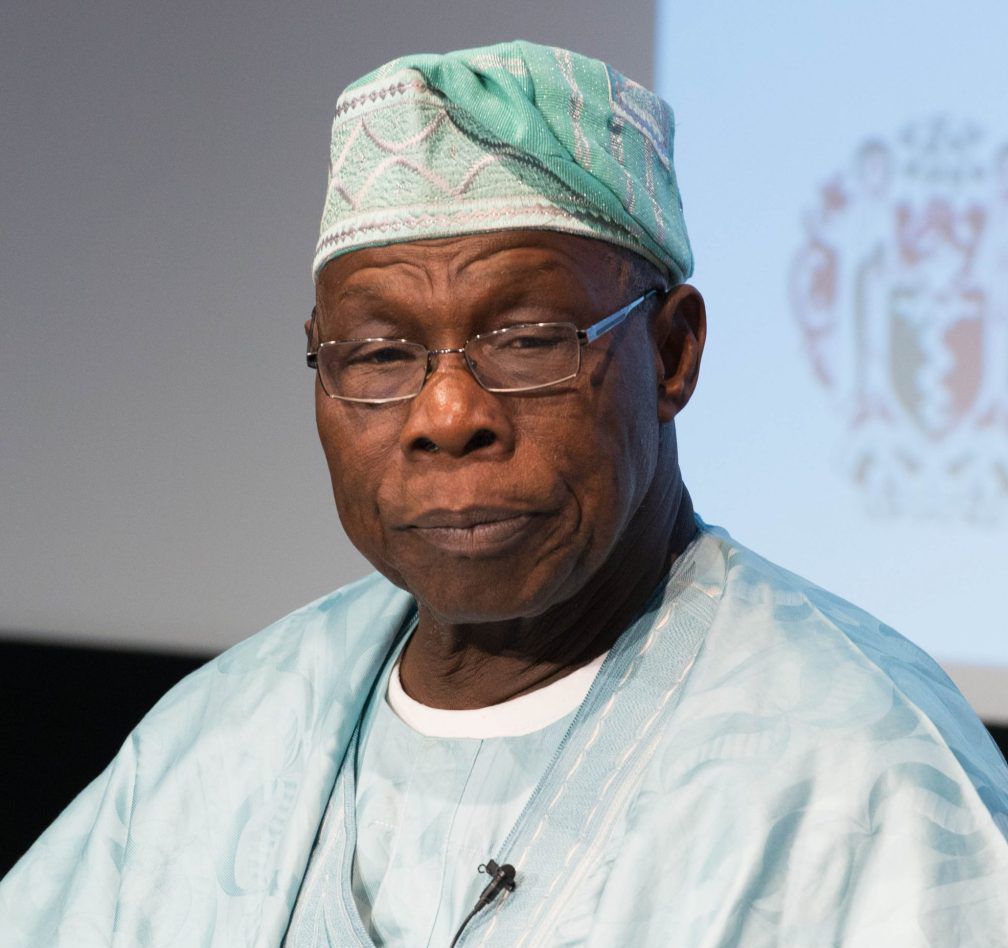
Speaking virtually on the Toyin Falola Interviews alongside Bishop Matthew Hassan Kukah and former Central Bank Deputy Governor Dr. Kingsley Moghalu, Obasanjo warned that Nigeria’s fight against insurgency and banditry will remain ineffective unless a new military approach is urgently adopted.
The former head of state argued that Nigeria’s military continues to rely heavily on conventional warfare tactics.
These methods, he explained, are suitable for open, traditional battles with clearly defined enemies but fail when confronting insurgents who blend into civilian populations and operate using guerrilla-style attacks.
According to Obasanjo, this mismatch between tactics and reality is a key reason why Boko Haram remains active despite 15 years of counterinsurgency operations.
Obasanjo outlined four critical elements that he believes are essential for Nigeria to overcome the insurgency.
First, he emphasized the need for specialized training for the military, which should focus on counter-insurgency operations, intelligence-driven campaigns, and guerrilla warfare strategies.
He cited Colombia as a potential model, suggesting that Nigeria could invite countries experienced in similar conflicts to train its personnel.
“There is no shame in learning from countries that have successfully defeated insurgencies,” he said.
The second requirement, Obasanjo noted, is proper equipment. The weapons, ammunition, and protective gear currently used by Nigeria’s armed forces are primarily suited for conventional warfare.
Fighting insurgents effectively, he stressed, requires a different set of tools tailored to rapid response, tracking, and counter-guerrilla operations.
Without modernized and specialized equipment, he argued, even the best-trained soldiers will struggle against a highly mobile and elusive enemy.
Thirdly, Obasanjo stressed the importance of absolute intelligence. Accurate and timely intelligence is vital for anticipating insurgent movements and preventing attacks.
He questioned whether foreign allies and intelligence partners trust Nigeria enough to share sensitive information, suggesting that intelligence-sharing agreements must be strengthened to improve operational outcomes.
Fourth, he highlighted modern technology as a crucial component. Drone surveillance, electronic monitoring, and other advanced technological tools, he explained, are necessary to track Boko Haram operations and respond effectively.
He noted that these four components—training, equipment, intelligence, and technology—must function together while Nigeria simultaneously addresses internal bureaucratic inefficiencies in its military procurement system.
Obasanjo criticized the current arrangement where the military is responsible for procuring its own equipment, calling the procurement process an “industry” that often fails to deliver timely and suitable resources.
Reflecting on the longevity of the Boko Haram crisis, Obasanjo expressed deep concern that the insurgency has outlasted the civil war by more than a decade.
“The civil war lasted only 30 months, although we initially thought it would end in six. Yet, this fight against insurgents and criminals has continued for almost 15 years,” he said.
The former president noted that the prolonged conflict has inflicted enormous social, economic, and human costs on Nigeria, particularly in the northeast regions, where communities continue to live under constant threat of attacks.
Obasanjo also shared insights from his 2011 visit to Maiduguri, Borno State, aimed at understanding Boko Haram’s origins, grievances, and leadership structure.
To avoid being perceived as a government agent, he traveled without a government aircraft.
During his visit, he discovered that the insurgents were highly organized, with their leader, Mohammed Yusuf, initially regarded by some locals as a respectable figure.
He explained that the insurgents initially refused to negotiate with the federal government.
When they later agreed to talks, they insisted that discussions could not take place anywhere in Africa, a condition Obasanjo rejected, asserting that the problem had to be solved locally.
He recalled that after reporting his findings to the federal government, no effective follow-up action was taken.
Even when he convinced the insurgents to observe a 21-day ceasefire to facilitate government dialogue, the authorities failed to engage with them, squandering a rare opportunity for peace.
Obasanjo further warned that without meaningful reform, Nigeria’s military will continue to struggle against Boko Haram and other security threats, including banditry, kidnappings, and communal conflicts.
He emphasized that reliance on conventional strategies against asymmetric threats is inadequate and potentially counterproductive.
According to him, failure to adopt specialized training, modern equipment, reliable intelligence, and advanced technology will only prolong the insurgency and continue to endanger civilians.
He urged policymakers to prioritize comprehensive security reform that includes international collaboration for training, transparent procurement processes, and the integration of cutting-edge technology into military operations.
Obasanjo believes that these reforms are not just military necessities but are critical for restoring public confidence in Nigeria’s ability to protect its citizens.
The former president also highlighted the human dimension of the conflict, recalling stories of displaced families, destroyed communities, and children deprived of education.
He argued that defeating Boko Haram is not only a matter of military strategy but also of addressing the socio-economic factors that enable insurgency to thrive.
Improving local governance, investing in education, and providing economic opportunities, he said, are complementary strategies that will strengthen Nigeria’s counterinsurgency efforts.
Obasanjo stressed that the fight against Boko Haram must be approached strategically, with patience, discipline, and coordination.
By combining specialized training, appropriate equipment, accurate intelligence, modern technology, and socio-economic development, Nigeria can hope to bring an end to one of its most enduring security crises.
He reiterated that “there is no shame in learning from other nations, and there is urgency in acting decisively,” emphasizing that continued inaction will only allow Boko Haram and similar groups to thrive.
Ireport247news
About The Author