

The elephant population in the country has decreased by 99%, according to the research, and there are just an estimated 300–400 elephants that are still living in the wild.
To ensure the protection of the country’s most iconic species, wildlife conservators have issued a call to action to the government of Nigeria, the corporate sector, and conservation organizations, urging them to increase their support for wildlife conservation programs.
Festus Iyorah, the representative of Nigeria for Wildlife Africa, expressed his regret in a statement that he signed, stating that since 1970, Africa had experienced a loss of 76% of its biodiversity.
During his presentation on the topic of “Wildlife Conservation Finance: Investing in People and Planet,” he emphasized the significance of creative funding practices in order to safeguard biodiversity and guarantee a future that is sustainable for both people and the natural world.
The 2024 Living Planet Report states that over the course of the last half-century, the world’s animal populations in Africa have experienced a precipitous decrease of 76%.
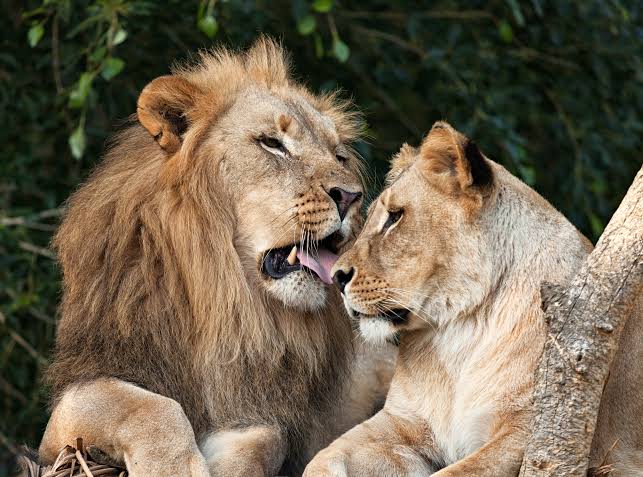
Africa is home to a number of endangered animals, including chimpanzees, gorillas, lions, and elephants, all of which are extremely close to extinction.
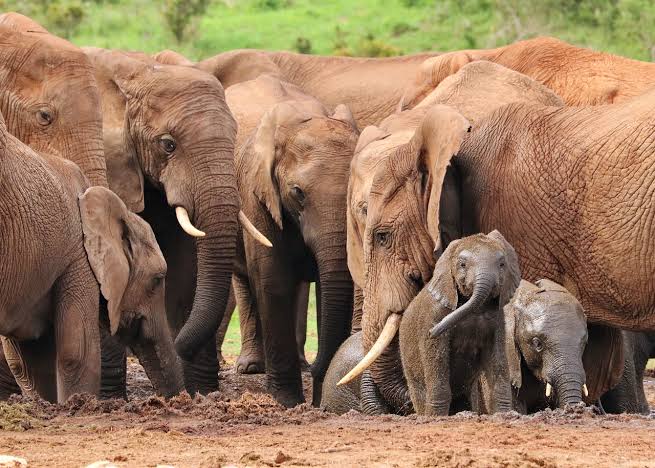
The elephant population in the country has decreased by 99%, according to the research, and there are just an estimated 300–400 elephants that are still living in the wild.
“Without immediate investment in conservation, species loss will accelerate, leading to devastating consequences—not only for nature but also for economies that rely on natural resources, the stakes are high.
“In Africa, 80% of tourists visit the continent for its wildlife, fueling the ecotourism industry that brings in $12.4 billion a year and sustains local economies and communities.
“In countries like Kenya, wildlife tourism accounts for 10.4% of Kenya’s GDP, employing millions of people and generating $2.7 billion for the country in 2023.
“In Nigeria, travel and tourism’s contribution to the GDP is forecasted to grow at an average rate of 5.4% between 2022-2032, highlighting its significant potential to drive economic growth.”
After that, Iyorah stated that it is anticipated that the sector will generate 2.6 million new jobs over the course of the following decade and bring in about ₦12.3 trillion ($8.2 billion) by the year 2032.
For the purpose of cultivating a wildlife economy that is profitable and has the potential to expand further, it is vital to continue to practice sustainable management of natural resources and to preserve wildlife and wild places.
There is a symphony in conservation, according to Dr. Mark Ofua, who is the spokesperson for Wild Africa in West Africa.
The entire crew needs to be on duty. In order to fulfill their corporate social responsibility, businesses need to recognize the importance of conservation initiatives and collaborate with governments, conservation organizations, and various individuals.
About The Author
