Former Senate Leader Ndume urges urgent diplomatic action on Nigeria U.S. religious freedom concern, warning against misconceptions and international misperceptions.
Former Senate Leader Ali Ndume has criticized the Nigerian government for failing to act decisively on what he describes as a growing Nigeria U.S. religious freedom concern.
The warning comes after the United States designated Nigeria as a “Country of Particular Concern” for severe violations of religious freedom, a move Ndume says could misrepresent Nigeria’s religious landscape on the international stage.
The U.S. classification followed a statement by President Donald Trump on his Truth Social platform, alleging that “Christianity is facing an existential threat in Nigeria.”
Trump directed that Nigeria be added to the watchlist for particularly severe violations of religious freedom. According to U.S. law, countries labeled as a “Country of Particular Concern” are those where governments either tolerate or engage in serious breaches of religious liberty.

Ndume, who represents Borno Central, expressed concern that the Tinubu administration and the National Assembly ignored earlier warnings and failed to diplomatically engage Washington before the re-designation was announced.
“I have alerted the government and even moved a motion in the Senate. Nigeria is a sovereign state. The issue is not about what the United States can do to us but about addressing misconceptions and the ripple effects of labeling Nigeria a country of concern,” Ndume said.
He stressed the importance of engaging the U.S. government with facts and figures to ensure a balanced narrative.
“We must present accurate data and ensure Washington hears from the Nigerian government and the Muslim community. Muslims have been killed too. The violence is not targeted solely at Christians; it affects all Nigerians,” he added.
Highlighting the potential consequences of the U.S. designation, Ndume warned that international perception could affect Nigeria’s diplomatic and security relations.
“Once misconceptions spread, they are difficult to correct. Being tagged a ‘Country of Particular Concern’ can influence aid, security cooperation, and trade,” he said.
Ndume urged the Federal Government to mobilize experienced diplomats to correct the narrative at global platforms, especially the United Nations.
“Nigeria should immediately engage seasoned diplomats like Chief Emeka Anyaoku, Professor Bolaji Akinyemi, Babagana Kingibe, Professor Sulu Gambari, and Aminat Mohammed. Their expertise is essential in presenting Nigeria’s perspective and countering misinformation,” he stated.
He also recommended that the Nigerian government work closely with the U.S. embassy in Nigeria.
“The embassy already has access to facts and figures. By collaborating, we can influence the narrative and shift from being tagged a ‘Country of Particular Concern’ to a ‘Country of Special Concern,’ which would enable access to resources and support for tackling terrorism effectively,” Ndume explained.
His comments came just hours after President Bola Tinubu rejected the U.S. designation, insisting that it misrepresents Nigeria’s religious reality.
Tinubu emphasized that the country is committed to protecting religious freedom for all citizens and that the new classification overlooks the broader context of nationwide security challenges affecting multiple communities.
Ndume also stressed that religious conflict in Nigeria is often oversimplified in international reporting.
“It is misleading to frame the violence as only targeting Christians. Communities across Nigeria, including Muslims, have been victims of terrorism and communal violence. We need to communicate this clearly to the international community,” he added.
Experts note that Nigeria’s international image can be heavily influenced by U.S. policy statements.
Diplomatic engagement is therefore critical to prevent misconceptions from translating into tangible consequences. By presenting verified data on religious violence, Nigeria can ensure that its perspective is heard in global forums.
Ndume concluded on an optimistic note about U.S. engagement.
“The good thing about America is that once they understand the truth, they will act accordingly. This is not about confrontation but correcting misconceptions and presenting an accurate picture of Nigeria’s religious realities,” he said.
The former Senate Leader’s call for urgent diplomatic engagement underscores a broader challenge for Nigeria: balancing domestic governance, religious harmony, and international perception.
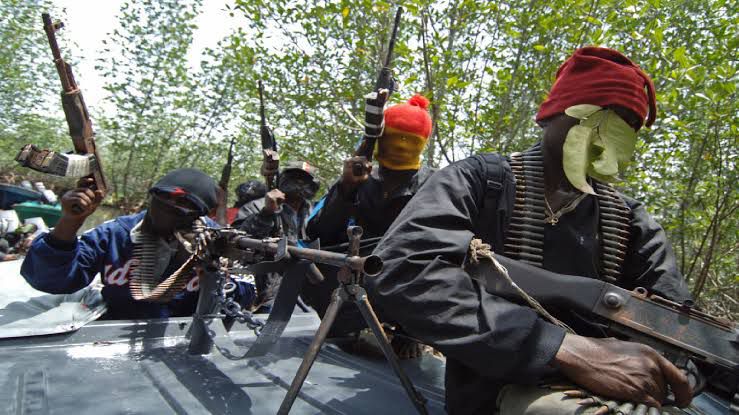
With terrorism, banditry, and communal clashes affecting multiple regions, Ndume emphasized that the narrative of religious persecution must be framed within the context of nationwide security challenges rather than a one-sided depiction.
The U.S. classification of Nigeria as a “Country of Particular Concern” has sparked significant debate among Nigerian leaders.
Ndume’s intervention highlights the urgent need for proactive diplomacy, engagement with experienced international figures, and accurate communication of Nigeria’s security and religious realities.
If properly addressed, these measures could prevent Nigeria from being unfairly stigmatized and ensure that global partners understand the full scope of challenges facing the country.
More news at ireport247news