

The administration of Lagos State has taken another step in its ongoing justice sector overhaul with the release of 43 inmates from various correctional facilities.
The decision, which is part of wider reform efforts, is aimed at reducing congestion in prisons and improving the efficiency of the criminal justice system within Lagos.
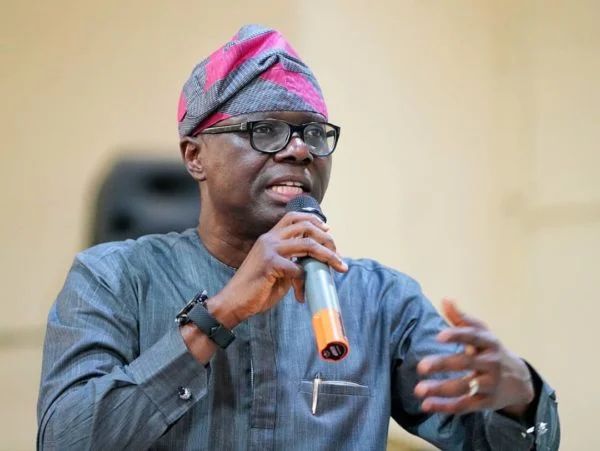
The exercise was approved by the state governor, Babajide Sanwo-Olu, acting under constitutional authority that allows for clemency in deserving cases.
Officials explained that the decision reflects a structured approach to prison decongestion and rehabilitation-focused justice delivery across Lagos.
According to the Attorney General and Commissioner for Justice, Lawal Pedro, the release was carried out under the prerogative of mercy as provided in Section 212 of the 1999 Constitution (as amended).
He noted that all beneficiaries were carefully screened and recommended by the State Advisory Council on the Prerogative of Mercy after a detailed review of their records.
This latest intervention adds to earlier actions taken by the government. In December 2025, Lagos also granted freedom to 91 inmates under similar arrangements.
That earlier exercise, combined with the current release, signals a consistent policy direction focused on reducing overcrowding in correctional facilities across Lagos and promoting a more humane justice system.
The government emphasized that the decision is not arbitrary but part of a structured correctional management strategy.
Authorities believe that easing pressure on correctional centres in Lagos will improve living conditions, reduce strain on resources, and allow officers to focus more on rehabilitation rather than overcrowding challenges.
Beyond inmate releases, Lagos has also introduced logistical and infrastructural improvements within the justice system.
The state previously provided two coaster buses to the correctional service to support the movement of inmates to and from court hearings.
This intervention is designed to reduce delays in trials, improve punctuality in court appearances, and strengthen coordination between custodial centres and the judiciary.
Officials further revealed that rehabilitation and upgrade works are ongoing in several correctional centres across Lagos.
These renovations are intended to improve sanitation, expand capacity, and enhance overall safety and welfare conditions for both awaiting-trial inmates and convicted persons.
The broader goal is to modernize correctional infrastructure in line with international standards.
The state government also reiterated its appeal to the Federal Government to consider transferring the control of at least one correctional facility in Lagos to state authorities.
According to policymakers, such a move would better reflect the realities of governance, as most inmates in Lagos facilities are detained for offences under state laws.
It was argued that granting Lagos more direct control over a facility would significantly improve prison management.
Authorities believe this would help address persistent challenges such as overcrowding, limited funding, and bureaucratic delays that often slow down reform efforts.
The proposal is part of a broader conversation on decentralising aspects of correctional administration in Nigeria.
Officials maintain that the justice reforms being implemented in Lagos are designed to strike a balance between multiple priorities.
These include protecting the rights of victims, ensuring public safety, supporting offender rehabilitation, and upholding constitutional protections for all individuals within the justice system.
Within this framework, Lagos continues to position itself as a leading state in justice sector reform.
The recent release of inmates is being viewed as one of several practical steps aimed at achieving a more effective and humane correctional system.
It also reinforces the state’s commitment to using lawful and constitutional tools to address systemic challenges.
Stakeholders in the justice sector have also pointed out that sustained reforms in Lagos require both infrastructural investment and policy consistency.
By combining clemency decisions with facility upgrades and improved logistics, the state is attempting to address both the human and operational sides of prison management.
The administration maintains that its long-term vision is not simply to reduce inmate numbers but to create a correctional system that supports reintegration and reduces repeat offending.
In this regard, Lagos continues to explore strategies that focus on education, rehabilitation, and improved case processing within the justice system.
Ultimately, the recent release of 43 inmates reinforces a broader narrative of reform in Lagos.
It highlights a deliberate attempt by the government to modernize correctional practices, ease congestion, and promote fairness in the justice system.
As reforms continue, Lagos is expected to roll out additional measures aimed at strengthening efficiency, accountability, and humane treatment within its correctional framework.
Ireport247news
About The Author
