

The Israeli military confirmed on Wednesday that one of the four Hamas hostage bodies handed over yesterday does not match any of the previously held hostages.
The handover came as part of the fragile Gaza ceasefire deal, aiming to reduce tensions and facilitate humanitarian aid delivery to the embattled region.
Officials issued an Israeli military statement clarifying that forensic examinations at the National Institute of Forensic Medicine revealed the discrepancy in the fourth returned body.
“Following forensic analysis, the fourth body handed over does not correspond to any of the hostages,” a spokesperson said, emphasizing ongoing cooperation with international monitoring teams.
Families of the hostages expressed shock and despair, saying the news adds emotional strain to an already traumatic period following the violent Hamas attacks on October 7.
The first three bodies returned have been identified as Ouriel Baruch, Eitan Levy, and Tamir Nimrodi, all confirmed victims of the initial Hamas abductions.
The return of bodies is only part of the larger Gaza ceasefire deal, which also involves securing the release of 28 deceased Israeli hostages and 360 Palestinian casualties.
So far, eight bodies have been returned to Israel, leaving 20 Hamas hostage bodies unaccounted for, as families anxiously await further developments and official verification.
Hamas has cited difficulties locating burial sites amid the widespread destruction across Gaza caused by ongoing military operations and previous airstrikes.
In response to delays, Israel temporarily restricted the Rafah crossing aid, threatening further reductions in humanitarian supplies flowing into the Gaza Strip.
Humanitarian organizations warn that limiting aid could exacerbate the already critical humanitarian crisis Gaza is facing, with water, sanitation, and medical systems near collapse.
The fragile truce remains under pressure as officials continue negotiations to facilitate safe passage for aid convoys and ensure proper identification of all returned bodies.
The Israeli military statement emphasized that despite the fourth body mismatch, the authorities remain committed to retrieving and identifying all remaining hostages and victims.
“Our priority remains the safe return of all hostages and maintaining security while allowing aid to flow,” the military spokesperson added, citing international cooperation.
Families continue to hold out hope as the Hamas hostage bodies are carefully analyzed, hoping for closure after weeks of anguish and uncertainty.
Israel has requested continued monitoring by international organizations to ensure transparency and accuracy during forensic examinations, citing prior discrepancies in information provided by Hamas.
The Gaza ceasefire deal has eased some immediate conflict pressures, allowing humanitarian organizations to resume work, though tensions remain high along the border and in urban centers.
“Every returned body matters for families, and every delay compounds grief,” said a representative from the International Committee of the Red Cross monitoring the handover process.
The military also stressed that the discrepancy of the fourth body does not reflect a breakdown in the Gaza ceasefire deal, which remains in effect with strict conditions.
Aid agencies report that despite temporary restrictions, food and medical supplies have reached key hospitals and shelters, alleviating some of the severe shortages caused by months of blockade.
The Rafah crossing aid remains critical, serving as the primary gateway for medical evacuations, essential supplies, and coordination with international humanitarian missions in Gaza.
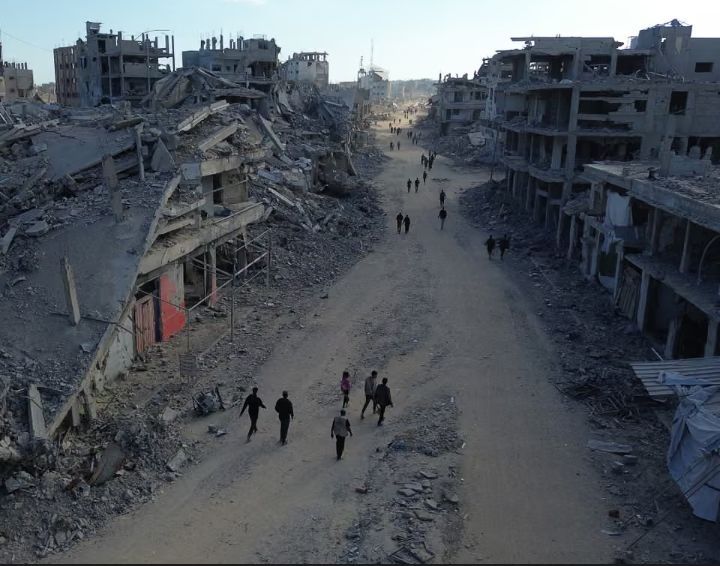
Gaza’s infrastructure has suffered heavily, with more than 80% of croplands destroyed and water systems largely nonfunctional, heightening the urgency for continued aid shipments.
Hamas has expressed frustration at Israel’s limited movement of supplies, while insisting that all remaining bodies be returned without further delay, highlighting tensions in the ongoing negotiations.
Families of victims have urged the international community to apply pressure, calling for immediate action to locate the remaining Hamas hostage bodies and ensure their proper return.
The Israeli military statement noted that investigations and verification processes will continue for as long as necessary, prioritizing accurate identification and proper handling of human remains.
“The return of bodies must be handled with the utmost care, respecting families and adhering to international law,” said a spokesperson from Israel’s Ministry of Foreign Affairs.
As part of the Gaza ceasefire deal, additional humanitarian measures are expected, including temporary ceasefires in certain regions to allow safe passage for critical supplies.
The United Nations and European Union have coordinated with both Israel and Hamas to monitor ongoing handovers, citing concerns about transparency and the treatment of deceased individuals.
The temporary halt at the Rafah crossing aid was lifted after international mediation, allowing medical teams and food aid to enter Gaza, though delays continue to frustrate local populations.
International observers highlight that the humanitarian crisis Gaza is worsening with every delay, emphasizing the urgent need for coordinated distribution of aid to prevent further civilian suffering.
The return of the first eight bodies has allowed families limited closure, but the missing 20 Hamas hostage bodies remain the central concern for the bereaved and officials alike.
“The identification of every body is critical,” said a forensic expert involved in the investigation, stressing the challenges of working in a post-conflict environment with damaged infrastructure.
The Israeli military statement reiterated that further handovers are expected in the coming days, and authorities are taking steps to ensure proper identification before returning remains to families.
Negotiations surrounding the Gaza ceasefire deal continue, with international mediators urging both sides to maintain cooperation and prevent any escalation that could derail humanitarian access.
Aid agencies are working with local authorities to distribute essential food, water, and medical supplies, mitigating some effects of the humanitarian crisis Gaza residents face daily.
Families have described the process as emotionally taxing, emphasizing that even a single incorrect identification can prolong grief and trauma for those awaiting news of their loved ones.
The Rafah crossing aid remains a vital lifeline, with convoys carefully coordinated to ensure that food, water, and medical supplies reach hospitals, clinics, and families in need.
Experts warn that delays in returning bodies or delivering aid could undermine public trust in the Gaza ceasefire deal, heightening tensions and risking renewed outbreaks of violence.
The Israeli military statement confirmed ongoing collaboration with international forensic teams to ensure accuracy, transparency, and respect for human dignity during all examinations.
Political leaders in Israel have publicly emphasized that recovering all Hamas hostage bodies remains a national priority, framing it as a matter of both security and moral responsibility.
Hamas has called for expedited procedures for returning remaining bodies, insisting that families receive closure promptly while maintaining cooperation with international oversight.
The Gaza ceasefire deal continues to balance military concerns with humanitarian needs, requiring delicate negotiations to prevent further escalation and enable relief operations.
Aid organizations note that the current situation demonstrates the urgent importance of securing safe and timely passage for supplies to prevent worsening of the humanitarian crisis Gaza.
Families of victims continue to advocate publicly, urging governments and humanitarian groups to maintain pressure on both sides for full cooperation in returning all Hamas hostage bodies.
The Rafah crossing aid remains under international observation, with careful planning to ensure convoys avoid potential security incidents while delivering critical resources to civilians.
Forensic experts working on the fourth body emphasized that identification procedures follow rigorous protocols, with DNA and other tests confirming that it does not match any known hostage.
“The integrity of the process is essential for families and the wider public,” an official involved in the investigations said, highlighting transparency and accountability.
The Israeli military statement concluded by reaffirming that authorities remain committed to locating and returning all remaining Hamas hostage bodies, while continuing humanitarian aid distribution.
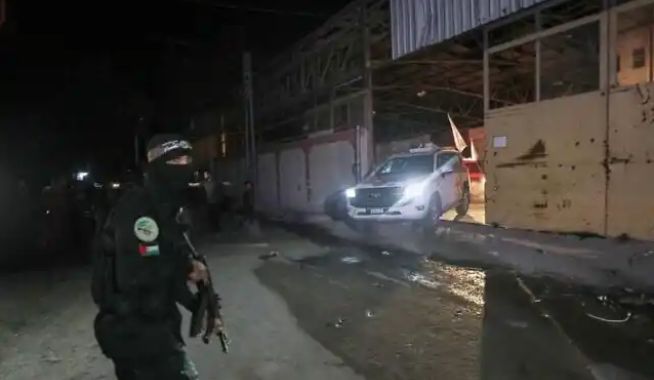
In Gaza, residents continue to face daily challenges as infrastructure rebuilds slowly, and the humanitarian crisis Gaza remains acute, underscoring the critical importance of aid and ceasefire compliance.
Officials from both sides acknowledge that the process will take time, emphasizing patience and the need for careful verification before releasing any additional Hamas hostage bodies.
The Gaza ceasefire deal has allowed limited reconstruction efforts, but the scale of damage to water, sanitation, and housing systems means aid remains a top priority.
About The Author
