


France confirms recovery of its first Ebola patient as the doctor is discharged from hospital while DR Congo continues battling a deadly outbreak.
French health authorities have confirmed that the country’s first recorded Ebola patient has made a full recovery and has been discharged from hospital after receiving specialist medical treatment.
The patient, a doctor who recently travelled from the Democratic Republic of Congo (DRC), was released from a healthcare facility on Saturday after doctors determined that treatment had been successful and the risk associated with the infection had been brought under control.
The development marks a significant moment for France’s healthcare system, which had never before recorded an Ebola infection detected within its territory.
While the country has previously cared for Ebola patients transferred from abroad, those cases involved individuals who had already been diagnosed before arriving in France.
Announcing the patient’s discharge, French Health Minister Stéphanie Rist said the physician had left the medical establishment and returned home after recovering from the disease.
The minister’s statement provided reassurance that the country’s response measures had been effective in managing the imported case.
Health officials explained that the doctor travelled to France on June 23 aboard an Air France flight from the Democratic Republic of Congo, where authorities have been battling a fresh Ebola outbreak for several weeks.
After arriving in France, the physician underwent medical evaluation, leading to laboratory confirmation of Ebola infection.
Despite testing positive, the doctor reportedly experienced only mild symptoms, mainly persistent headaches, and did not develop the severe complications commonly associated with the virus.
Medical experts note that although Ebola is widely known for causing high fever, internal bleeding and multiple organ complications in severe cases, symptoms can vary from one patient to another.
Early diagnosis and prompt medical intervention often improve the chances of survival while reducing the likelihood of transmission.
Following confirmation of the infection, French public health authorities immediately activated emergency disease-control protocols. Contact tracing teams identified individuals who may have had close interaction with the patient during travel.
Officials disclosed that five passengers who shared the same flight with the doctor were classified as potential contacts.
They were placed under close observation and appropriate isolation measures while health authorities continued monitoring them for any signs of illness.
The swift response reflects France’s preparedness for handling imported infectious diseases.
Hospitals, laboratories and public health agencies coordinated efforts to ensure the patient received specialised care while minimising any risk to the wider population.
Although officials have not reported evidence of further transmission linked to the case, surveillance activities remain ongoing.
Health authorities continue to monitor the situation closely, recognising that vigilance remains essential whenever Ebola cases cross international borders.
The recovery also comes against the backdrop of an ongoing health emergency in the Democratic Republic of Congo. The Central African nation has continued to record new infections since health authorities officially declared the outbreak on May 15.
According to the latest figures released by the Congolese government on July 2, the outbreak has resulted in 1,406 confirmed infections, while at least 438 people have died from the disease.
The figures highlight the continuing challenges facing health workers trying to contain the spread of the virus.
Authorities in the DRC have intensified surveillance, community awareness campaigns, contact tracing and treatment efforts to slow transmission.
International health partners are also supporting local officials through laboratory testing, medical supplies and outbreak response operations.
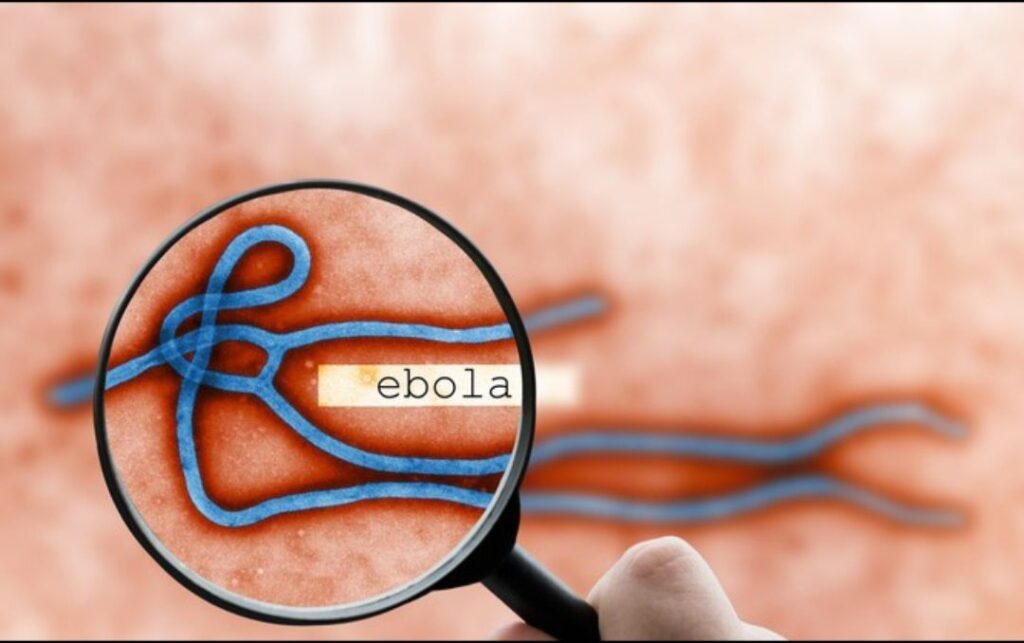
Ebola is one of the world’s most dangerous viral diseases, spreading through direct contact with the bodily fluids of an infected person or contaminated materials.
It is not transmitted through casual airborne contact, but close physical exposure significantly increases the risk of infection.
Public health specialists continue to emphasise that rapid detection, isolation of infected patients and careful monitoring of contacts remain the most effective strategies for preventing wider outbreaks.
These measures, combined with appropriate medical care, have contributed to improved survival rates compared with previous epidemics.
France’s successful management of its first confirmed Ebola case demonstrates the importance of early diagnosis, coordinated healthcare response and strict public health protocols.
While the patient’s recovery represents encouraging news, officials remain cautious as the outbreak in the Democratic Republic of Congo continues to evolve.
Health authorities in both countries have reaffirmed their commitment to maintaining surveillance and responding swiftly to any suspected cases in order to protect public health and reduce the possibility of further international spread.
Ireport247news
About The Author
