

Nigeria’s Export Momentum at Risk as Container Shortage Disrupts Lagos Ports Operations
Nigeria’s fast-growing non-oil export sector is facing a fresh setback as stakeholders raise concerns over a worsening shortage of shipping containers at the country’s busiest maritime gateways in Lagos.
Industry operators warn that the situation, if not urgently addressed, could undermine recent gains in export performance and weaken investor confidence in the country’s trade logistics system.
The alarm was raised by the Association of West African Exporters and Marine Professionals, which described the development as a major bottleneck threatening the sustainability of Nigeria’s export expansion drive.
Container shortage at Lagos ports threatens Nigeria’s export growth
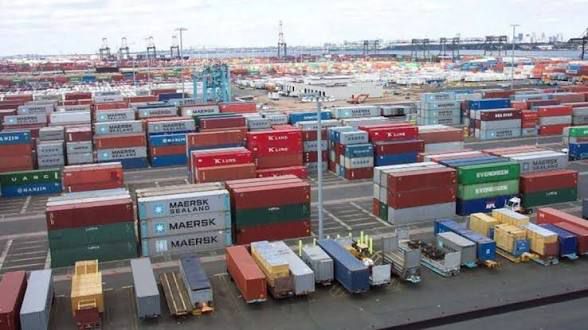
The intensifying container shortage at Lagos ports has disrupted the smooth evacuation of export cargoes, leaving consignments stranded at terminals for months.
Exporters say the scarcity of containers, combined with the reluctance of shipping lines to lift outbound goods, is creating a severe imbalance in port operations.
According to industry data, Nigeria’s exports rose to $44.06bn within the first nine months of 2025, reflecting a steady increase from the previous year. However, stakeholders fear that the ongoing logistics crisis could reverse these gains if unresolved.
President of AWAEMAP, Bunmi Olumekun, accused foreign shipping companies of deliberately avoiding Nigerian export cargoes, opting instead to operate from neighbouring countries such as Cotonou.
He alleged that vessels frequently arrive in Nigeria to discharge imports but depart without loading export goods, choosing to pick cargoes elsewhere.
Export cargoes pile up amid logistics breakdown
The consequences of the container shortage at Lagos ports are already visible across major terminals, where export-bound goods—particularly perishable items—are reportedly piling up due to the absence of available vessels.
Exporters say some consignments have remained at the ports since late 2025, raising concerns about product spoilage, financial losses, and contract defaults in international markets.
In addition to the lack of containers, terminal congestion is worsening the situation. Limited storage capacity has forced some operators to halt the acceptance of new export cargoes, effectively stalling supply chains.
This emerging gridlock is reminiscent of past congestion crises that plagued Lagos ports before the introduction of digital traffic management systems, highlighting persistent structural inefficiencies in Nigeria’s maritime sector.
Global tensions worsen container shortage at Lagos ports
Stakeholders link the container shortage at Lagos ports partly to ongoing geopolitical tensions involving Iran, United States, and Israel, which have disrupted global shipping routes and altered vessel deployment patterns.
Shipping lines, according to industry players, are increasingly avoiding routes perceived as high-risk or less profitable, leading to reduced vessel calls in Nigeria.
An exporter and Managing Director of LWL Concept, Lawal Wasiu, explained that many shipping companies have scaled back operations linked to Middle East routes, creating ripple effects across global logistics networks.
He noted that containers loaded with Nigerian exports remain stuck at ports due to a mismatch between container availability and vessel scheduling, further compounding delays.
Economic implications for Nigeria’s export sector
The persistence of the container shortage at Lagos ports poses significant risks to Nigeria’s broader economic outlook, particularly at a time when policymakers are pushing to diversify revenue sources away from crude oil exports.
Analysts warn that prolonged disruptions could erode Nigeria’s competitiveness in global markets, as international buyers may turn to more reliable suppliers with efficient logistics systems.
Exporters also face rising costs from storage fees, demurrage charges, and transportation delays, all of which could ultimately reduce profit margins and discourage participation in international trade.
Despite these concerns, stakeholders acknowledge that recent policy reforms under Bola Ahmed Tinubu have contributed to improved export performance. However, they stress that logistics bottlenecks must be addressed to sustain this momentum.
Calls for urgent government intervention
Industry players are now urging the Federal Government to take decisive action to resolve the container shortage at Lagos ports, including engaging shipping lines, improving port efficiency, and incentivising export logistics.
They argue that without immediate intervention, Nigeria risks losing its competitive edge in regional and global trade, especially as neighbouring countries position themselves as alternative export hubs.
Experts recommend a combination of regulatory oversight, infrastructure upgrades, and strategic partnerships to ensure a more balanced flow of imports and exports through Nigerian ports.
Outlook: balancing growth with logistics efficiency
As Nigeria continues to expand its export base, the container shortage at Lagos ports underscores the critical importance of efficient logistics systems in sustaining economic growth.
The current crisis highlights structural vulnerabilities within the maritime sector, from container availability to vessel turnaround times and port congestion.
Going forward, stakeholders emphasise that resolving these challenges will require coordinated efforts between government agencies, port operators, and private sector participants.
Failure to act swiftly, they warn, could stall Nigeria’s export ambitions and limit the country’s ability to fully capitalise on emerging opportunities in global trade.
About The Author
