

ECOWAS dismisses false claims of Christian genocide in Nigeria, urging global partners to fight terrorism and protect unity across the West African region.
The Economic Community of West African States (ECOWAS) has firmly dismissed recent allegations of a Christian genocide in Nigeria, calling them false, divisive, and dangerous to regional peace.
The regional body said the claims were attempts to inflame religious tension and undermine ongoing efforts to fight terrorism and promote unity across West Africa.
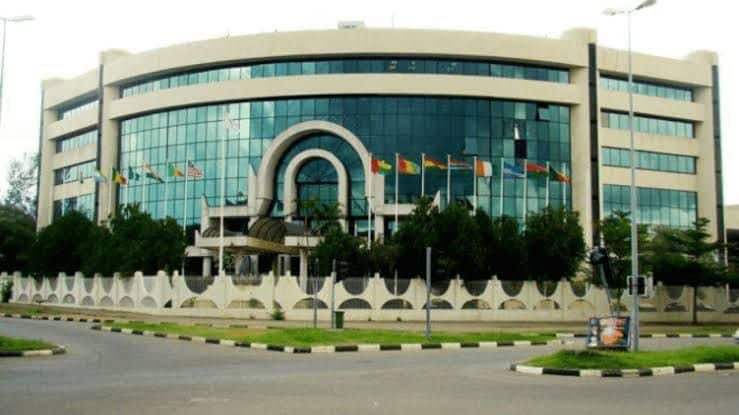
In a communiqué released on Tuesday, November 4, ECOWAS clarified that extremist attacks in Nigeria and other parts of the region have affected people of all religions without discrimination.
It stressed that terrorists and armed groups are driven by political and ideological motives, not religious hatred. “Over the years, independent reports have shown that terrorist violence does not discriminate based on gender, faith, ethnicity, or age,” the statement read.
The bloc explained that portraying ongoing insecurity as a Christian genocide in Nigeria distorts reality and risks dividing communities already under pressure.
ECOWAS described the narrative as harmful propaganda, warning that it could be exploited by extremists to deepen mistrust between Christians and Muslims.
According to the organization, the truth is that both Christians and Muslims have been victims of terrorism, banditry, and violent extremism.
ECOWAS called on the United Nations, international partners, and civil society to reject misleading narratives and instead focus on supporting joint counterterrorism efforts.
The bloc urged global institutions to “treat as false any claims suggesting that terrorist groups are targeting one faith or committing a genocide against any single religious group.”
The communiqué emphasized that misinformation about a Christian genocide in Nigeria weakens social cohesion and obstructs security cooperation among member states.
It argued that such falsehoods distract attention from the root causes of insecurity, including poverty, poor governance, and corruption, which extremists exploit to recruit vulnerable populations.
The statement from ECOWAS came after U.S. President Donald Trump made controversial remarks warning that America might suspend aid or intervene militarily if attacks on Christians in Nigeria continue.
His comments stirred widespread debate, prompting ECOWAS to clarify that the crisis in Nigeria is not a religious war but a complex security challenge fueled by terrorism, inequality, and socio-economic hardship.
ECOWAS cautioned that international leaders must avoid statements that could escalate religious tension.
“Misinformation about a Christian genocide in Nigeria undermines the sacrifices of security forces and humanitarian workers who risk their lives to protect all citizens,” the bloc said. It urged world leaders to seek accurate data and consult regional bodies before making public pronouncements on sensitive matters.
The regional organization condemned groups and individuals who manipulate religion for political or ideological gains.
“We strongly reject these false and dangerous claims that seek to deepen insecurity in communities and weaken social harmony,” ECOWAS asserted. It added that regional stability depends on shared responsibility, cooperation, and factual understanding of ongoing conflicts.
Security analysts echoed ECOWAS’s position, noting that most attacks by Boko Haram and the Islamic State West Africa Province (ISWAP) have claimed the lives of both Christians and Muslims.
Experts emphasized that the goal of these groups is to destabilize governments, not target one faith. This reinforces the regional body’s claim that framing the violence as a Christian genocide in Nigeria oversimplifies a multifaceted crisis.
ECOWAS reaffirmed its commitment to promoting peace, religious tolerance, and sustainable development.
The bloc encouraged all West African governments to invest more in education, youth employment, and dialogue programs that bridge divides among different ethnic and religious communities.
It also urged media organizations and faith-based leaders to avoid sensational reporting that could inflame ethnic or religious animosity. Instead, ECOWAS advised them to use their platforms to educate citizens about the shared responsibility of confronting extremism.
In its closing remarks, ECOWAS appealed to the international community to strengthen its collaboration with West African nations through intelligence sharing, humanitarian assistance, and logistical support.
The bloc praised ongoing joint military operations such as the Multinational Joint Task Force (MNJTF) and called for sustained funding to maintain their effectiveness.
By rejecting claims of a Christian genocide in Nigeria, ECOWAS reaffirmed its focus on unity and regional security.
It called for a balanced understanding of the crisis—one that acknowledges the suffering of all victims and promotes a collective, interfaith response to terrorism and violent extremism.
More news at ireport247news


