Nigeria’s Minister of Defence, Christopher Musa, has explained that the presence of United States military personnel in the country is strictly for training, technical assistance, and counter-terrorism collaboration, not direct combat operations.
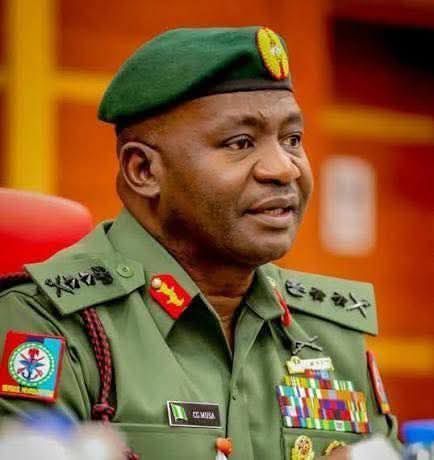
In a detailed interview at the Ministry of Defence headquarters in Abuja, popularly known as the Ship House, he highlighted that the initiative is part of a broader effort to strengthen the operational capabilities of the Nigerian Armed Forces.
According to the Defence Minister, the U.S. military support in Nigeria is focused on specific areas, particularly in Bauchi State, where joint exercises and technical training are underway.
He emphasized that the Federal Government officially authorised the deployment after careful consideration of national security priorities.
“Yes, they are here and we are working together,” the minister said.
“I am aware that U.S. personnel have permission to operate in certain parts of Bauchi to assist us with training and technological support for our ongoing counter-terrorism operations.”
He underlined the critical role that modern technology plays in contemporary military engagements.
The U.S. brings advanced drones, satellite surveillance, and other specialized equipment that enhance intelligence gathering and operational planning.
Such tools are vital in tracking extremist movements and improving response efficiency.
“The U.S. has very sophisticated technology, including drones and satellites, which are crucial for us,” Gen. Musa stated.
“Collaboration with friendly nations is standard practice. Just as we have supported other countries in the past, now we are receiving assistance to address evolving terrorist threats in our region.”
The minister also linked the rise of extremist activity in Nigeria to broader regional instability in the Sahel.
He noted that the fall of Libya years ago resulted in a surge of weapons and armed groups moving across West Africa, creating new security challenges for Nigeria and neighbouring nations.
“Too many arms and criminals flowed into the region after Libya’s collapse,” he said.
“This situation has contributed to the threat we are now confronting, which makes international collaboration essential to ensure national security.”
Gen. Musa reassured Nigerians that the partnership is temporary and governed by a clearly defined agreement.
“Everything we are doing is based on formal agreements. The U.S. personnel respect our sovereignty. This is strictly a short-term engagement. Once we complete the objectives, the arrangement will end,” he added.
In support of the minister’s statements, the Defence Headquarters confirmed that approximately 100 U.S. military personnel, along with associated equipment, have arrived at Bauchi Airfield.
The deployment follows high-level consultations between Nigerian and American authorities aimed at clearly defined military training and intelligence-sharing requirements.
In a statement, the Director of Defence Information, Samaila Uba, described the visiting U.S. personnel as technical experts serving exclusively in advisory and training roles.
“They are not combat troops. All activities are conducted under the authority, direction, and control of the Nigerian Government in close coordination with the Nigerian Armed Forces,” the statement read.
The collaboration, he explained, is designed to enhance the capacity of Nigerian troops to effectively identify, track, and neutralize extremist terrorist groups.
Through joint training exercises and intelligence-focused initiatives, the Nigerian Armed Forces are expected to improve their operational effectiveness while safeguarding vulnerable communities across the country.
“The collaboration will provide access to specialized technical capabilities aimed at strengthening Nigeria’s ability to deter terrorist threats and protect citizens,” Maj. Gen. Uba noted.
“Training activities are strictly under Nigerian authority, ensuring full compliance with national protocols.”
The Defence Minister stressed that Nigeria has a history of international security cooperation, citing the country’s involvement in peacekeeping and training missions in Liberia, Sierra Leone, Tanzania, and Burma.
He said that just as Nigeria has supported other nations, now it is receiving assistance to combat evolving terrorist threats.
“The terrorists are everywhere, and the Sahel is fragmented,” Gen. Musa said.
“We need the support of friendly nations to confront these challenges and maintain regional stability.”
Finally, both the Defence Minister and Defence Headquarters assured Nigerians that transparency would guide the ongoing cooperation.
Citizens are promised accurate, timely, and clear updates about the U.S. military support in Nigeria, including progress on training, intelligence sharing, and technology deployment.
This strategic collaboration highlights the Nigerian government’s commitment to counter-terrorism, modern military training, and technology-driven operations.
By leveraging international expertise while maintaining full control over operations, Nigeria seeks to protect its sovereignty and enhance the effectiveness of its Armed Forces against extremist threats.
Ireport247news
About The Author