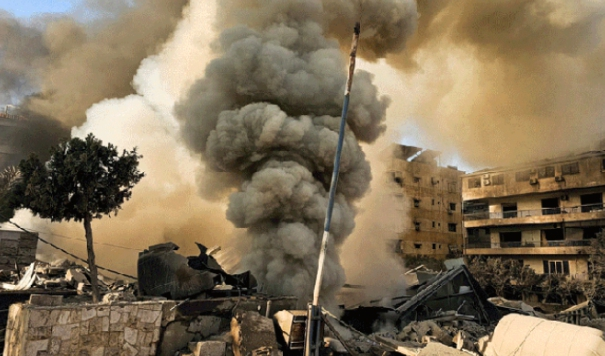
The CIA working to arm Kurdish forces to spark uprising in Iran involves decades of “covert planning.” Officials report coordination with Iraqi Kurdish leaders to ensure weapons and logistics reach Iranian Kurdish opposition groups safely.
Iranian Kurdish opposition forces have issued statements calling for “defections” within the IRGC, signaling readiness to challenge Tehran, especially near the Kurdish-Iran border, where terrain provides both strategic advantage and tactical risk for insurgents.
US military support includes “training,” intelligence sharing, and the potential creation of secure corridors for Kurdish forces, aiming to apply pressure on Iran while minimizing direct American involvement and potential civilian casualties.
The Kurdish-Iran border is a highly monitored zone. Sources report heightened Iranian surveillance and defensive measures. CIA planners seek to exploit these “vulnerabilities” to enable insurgent groups to establish footholds without triggering full-scale retaliation.
Israeli airstrikes have been described as “surgical,” targeting Iranian military infrastructure to support Kurdish operations. Officials indicate that these coordinated actions aim to weaken Iran’s response capability and facilitate potential uprisings in northwest Iran.
Regional instability has intensified as armed Kurdish factions prepare for coordinated action. Analysts warn that internal “fragmentation” among opposition groups could complicate US objectives, making oversight and operational coherence a persistent challenge.
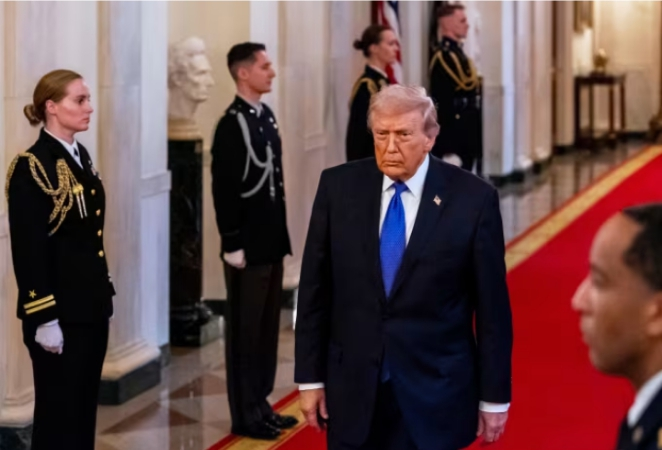
President Trump’s administration has held direct talks with Kurdish leaders, described as “historic” allies, emphasizing the need for political assurances to ensure Kurdish commitment to US-backed operations aimed at undermining Tehran.
Iranian Kurdish opposition groups are highly diverse, with competing ideologies and agendas. Analysts caution that reliance on fractured factions carries “risk,” potentially undermining the effectiveness of insurgent efforts despite significant US support.
CIA officials have maintained a “policy of silence” publicly. Still, sources indicate detailed planning includes arming Kurdish forces and coordinating movements with Israeli airstrikes to maximize pressure on Iranian security forces.
US military support is designed to provide intelligence, logistics, and safe corridors for Kurdish forces, allowing “strategic leverage” without exposing American troops to frontline combat, a crucial consideration in the operation’s risk assessment.
Iranian Kurdish opposition leaders are mobilizing citizens and calling for “unity” against Tehran. Experts suggest that psychological operations and propaganda campaigns will be critical in sparking a broader popular uprising within urban centers.
The Kurdish-Iran border region is increasingly tense. Reports indicate Iranian forces are on high alert, monitoring movements and drone surveillance closely, reflecting a “fragile equilibrium” that could shift rapidly if Kurdish forces engage.
Israeli airstrikes complement US-Kurdish planning, creating opportunities for insurgent groups to enter Iranian territory. Military analysts describe these operations as a “force multiplier,” providing Kurdish forces with a strategic window for action.
Regional instability is exacerbated by competing interests among Iraq, Israel, and the US. Analysts warn that any miscalculation could provoke unintended retaliation, potentially escalating localized insurgencies into broader conflicts with Tehran.
Trump administration officials argue that CIA operations aim to “inspire” Iranian citizens while minimizing direct US involvement, leveraging Kurdish proxy forces as a method to pressure Tehran without risking large-scale confrontation.
Iranian Kurdish opposition faces logistical challenges, such as supply lines and secure communication channels. Officials describe these challenges as “manageable,” but acknowledge that failures could compromise the success of the broader uprising plan.
The Kurdish-Iran border’s mountainous terrain offers both opportunities and hazards. Observers note that “terrain familiarity” gives Kurdish forces advantages, but vulnerabilities remain, particularly against Iran’s mobile security units and drone surveillance.
Israeli airstrikes have reportedly disabled radar and supply depots, described as “surgical” by sources. These operations reduce Iran’s rapid response capability, supporting the strategic goals of the CIA-backed Kurdish insurgency.
Regional instability now includes economic concerns. Analysts warn that continued conflict could disrupt oil transit routes, creating “ripple effects” in global markets, while political tensions threaten diplomatic relationships with neighboring states.
CIA working to arm Kurdish forces to spark uprising in Iran also involves contingency planning. Officials stress the importance of “exit strategies” to prevent protracted entanglement or humanitarian crises if the operation falters.
Iranian Kurdish opposition groups seek political guarantees from Washington. Without these assurances, sources suggest factions may hesitate to commit fully to action, creating uncertainty in timing and coordination of insurgent operations.
US military support remains carefully measured, balancing operational objectives with diplomatic sensitivity. Officials emphasize that “covert coordination” is essential to prevent Iran from publicly identifying American involvement.
The Kurdish-Iran border is increasingly complex, with multiple actors monitoring activity. Analysts warn that “miscalculations” could escalate skirmishes into broader conflict, potentially drawing neighboring states into active hostilities.
Israeli airstrikes, described as “intense,” aim to disrupt Iranian logistics and command structures. Officials stress precise timing is crucial to ensure Kurdish operations gain ground without provoking uncontrolled Iranian retaliation.
Regional instability persists as Kurdish factions compete for influence and territorial control. Experts highlight that internal “rivalries” could compromise US objectives, necessitating continuous monitoring and adaptation of operational strategies.
CIA working to arm Kurdish forces to spark uprising in Iran is a calculated proxy strategy. Officials argue it provides a “force multiplier” effect while minimizing direct US military engagement in core Iranian regions.
Iranian Kurdish opposition groups continue to organize under uncertain conditions. Sources emphasize the “importance of cohesion,” warning that fractured alliances could derail US-supported operations and reduce the likelihood of sustained insurgency.
US military support, Israeli airstrikes, and Kurdish movements are expected to proceed in a coordinated sequence. Analysts stress that “synchronization” is critical to limit civilian casualties and maximize operational effectiveness.
The Kurdish-Iran border remains volatile, with surveillance, troop movements, and cross-border tensions. Experts caution that “missteps” could trigger retaliation against Iraqi Kurdistan, destabilizing the wider region.
Regional instability remains the central concern for planners. Analysts emphasize that “long-term consequences” may extend well beyond the immediate uprising, impacting diplomatic relationships, military alliances, and strategic calculations in the Middle East.
Read also: Trump orders action to safeguard uninterrupted energy transit amid Middle East crisis
CIA working to arm Kurdish forces to spark uprising in Iran demonstrates reliance on proxy forces, integrating US military support, Israeli cooperation, and Kurdish local knowledge to attempt “transformative” influence inside Iran.