
Nigerians Enjoy Improved Access as Cash Circulation Stabilises Under CBN Oversight
Nigeria’s cash supply has recorded a notable improvement following a series of regulatory reforms by the Central Bank of Nigeria (CBN), easing seasonal pressures and transforming how banks manage currency distribution across the country.
Analysts and financial sector operators attribute the shift to a holistic approach adopted by the apex bank, which has bolstered public confidence and streamlined access to cash nationwide.
For decades, Nigeria has grappled with intermittent cash shortages, particularly during festive seasons, when millions of citizens rely on physical currency for business transactions and personal spending.
Previous years were marked by long queues at Automated Teller Machines (ATMs), limited cash availability at branches, and frustrated customers unable to complete point-of-sale transactions.
This year, however, the narrative has shifted as Nigerians experienced the holiday season without widespread reports of cash scarcity.
A turning point in the effort came with the formation of a special CBN committee, chaired by Governor Olayemi Cardoso, to examine structural challenges in the cash lifecycle.
The committee’s mandate included addressing bottlenecks in currency production, transportation, distribution, and final access points for consumers.
Following its recommendations, banks and financial institutions adjusted operational processes, resulting in smoother cash availability.
Observations across major commercial hubs such as Lagos, Abuja, Kano, and Calabar indicated significant relief.
ATMs were adequately loaded, branches managed cash distribution efficiently, and customers were able to complete withdrawals without delays.
Traders and small business operators praised the reform measures, noting that improved cash access allowed more predictable planning and operational continuity.
Mrs. Nkiru Onyema, a Lagos-based bank customer, recounted her experience, noting, “It took me just 10 minutes to withdraw N20,000 over the counter. The old frustrations of queuing for hours at ATMs or banks are largely gone.”
Similarly, Stephen Abiodun highlighted that ATM withdrawals were fast and seamless, allowing individuals more time for productive activities.
The Bank Customers Association of Nigeria also welcomed the development, with its president, Dr. Uju Ogubunka, urging banks to maintain proactive engagement with the CBN to ensure continuous cash supply, particularly during periods of heightened demand.
Cash Circulation Stabilises as Digital and Regulatory Measures Take Effect
Governor Cardoso explained that the CBN’s approach was rooted in a comprehensive review of Nigeria’s cash lifecycle.
“We focused on structural issues rather than temporary fixes,” he said.
“This included recalibrating cash printing schedules, ensuring optimal ATM-to-card ratios, monitoring bank compliance, and enforcing sanctions where ATMs failed to dispense cash.”
The CBN’s interventions coincided with ongoing digital finance initiatives, further reinforcing the resilience of the financial system.
By mid-2025, Nigeria’s digital payments landscape had expanded significantly, with over 12 million contactless cards in circulation and more than 40 fintech firms operating in a regulatory sandbox to test innovative solutions safely.
Integration across switching companies has advanced, moving the country closer to seamless domestic interoperability.
In addition, the CBN introduced measures to enhance access to foreign-issued payment cards for diaspora Nigerians and tourists. Financial institutions were directed to ensure uninterrupted withdrawals and transactions at ATMs, point-of-sale terminals, and online platforms, with robust anti-fraud and multi-factor authentication controls.
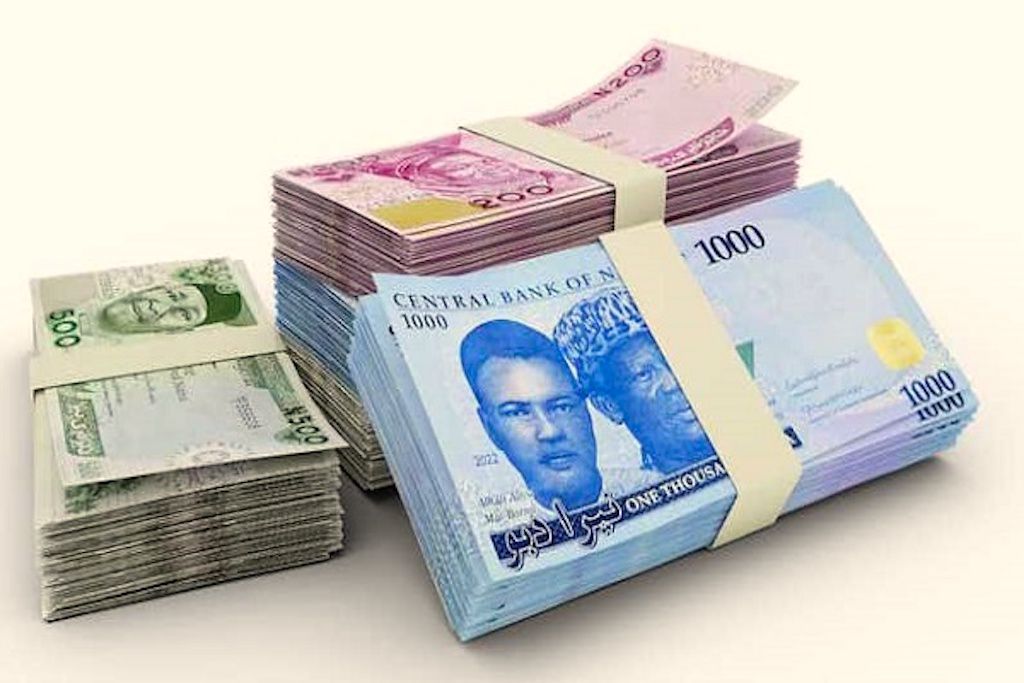
The apex bank also reinforced compliance with cash management guidelines by sanctioning banks that failed to maintain adequate cash availability during the festive season.
Each defaulting bank faced fines of N150 million, underscoring the CBN’s commitment to maintaining public trust and financial stability.
Experts note that cash circulation stabilises as a result of both traditional and digital measures.
While regulatory enforcement ensures physical cash availability, investments in digital payments provide complementary access, reducing dependence on paper currency and fostering financial inclusion.
Looking ahead, the CBN plans to continue refining its Payment System Vision roadmap through 2028, focusing on infrastructure modernization, enhanced cybersecurity, and further digital adoption.
Governor Cardoso emphasised that these reforms aim to strengthen transparency, compliance, and security across Nigeria’s payments ecosystem while sustaining confidence in both cash and digital channels.
“The progress we have achieved reflects a dual strategy,” Cardoso said.
“Ensuring cash availability and promoting digital innovation are not mutually exclusive; together, they provide a resilient, inclusive, and efficient financial system for all Nigerians.”
The current stability in cash circulation signals a pivotal shift for Nigeria’s banking sector.
With regulatory oversight, digital infrastructure, and proactive bank engagement, citizens and businesses alike are experiencing unprecedented ease in cash access, reducing economic friction and bolstering overall confidence in the financial system.