


Nigerian rapper Blaqbonez has sparked a fresh wave of concern within the entertainment industry by calling out the widespread use of streaming farms, warning that the damage they have caused to the Nigerian music ecosystem is both serious and irreversible.
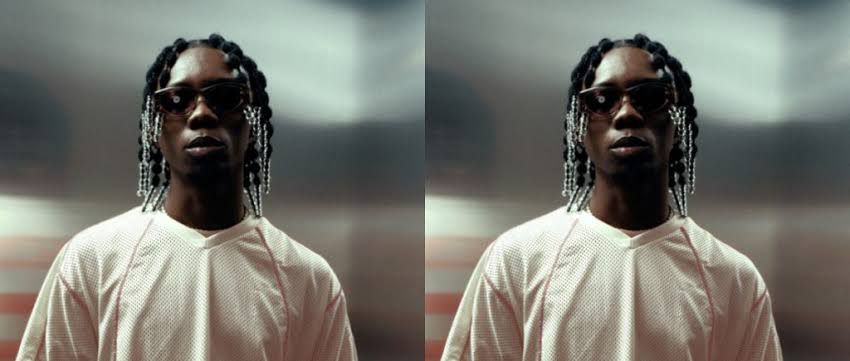
In a tweet posted on Tuesday, Blaqbonez reacted to a post made by fellow artiste Magixx, who had earlier blasted musicians for faking their streaming numbers through the use of bots and automated systems. Magixx, signed to Mavin Records, had written on X (formerly Twitter):
“Y’all faking your numbers, I hope you sleep well at night… keep deceiving your family members.”
Blaqbonez, known for his unapologetic takes and satirical music persona, quoted the post and went further to sound an industry-wide alarm:
“The irreversible damage we done to our industry, one day it’d finally come crumbling down. For now, let’s keep acting like the charts mean anything more than a showcase of the people who can afford to buy it. It’s like iTunes in the 2000s all over again.”
Streaming farms refer to the illicit practice of inflating song or album streams on platforms like Spotify, Apple Music, Boomplay, and Audiomack using bots or click-farming systems. These artificially boosted numbers can manipulate chart rankings, deceive fans, lure brands, and distort real metrics of artistic success.
While some see it as a marketing tactic to “stay competitive,” many artistes, producers, and music executives have begun to raise red flags about the long-term damage it is doing to creativity, credibility, and the core of music appreciation in Nigeria.

Blaqbonez’s statement joins a growing list of artists who are pushing back against the fake metrics trend. The issue has already caused rifts among Nigerian rappers and singers, especially in the Afrobeats and Hip-Hop spaces, where online popularity is now often equated with artistic worth.
The Chocolate City signee has long positioned himself as a defender of artistic integrity. From his early career days promoting “real rap” to challenging industry norms, Blaqbonez is no stranger to controversy. But his stance on streaming farms is drawing a deeper conversation around transparency, music charts, and digital ethics.
By labeling the damage as “irreversible,” Blaqbonez hints at a bleak future where the charts no longer reflect actual talent or audience connection but simply financial muscle and tech manipulation.
Music critics argue that this trend also hurts upcoming artists who can’t afford the luxury of stream manipulation. In an industry already stacked against independent talent, streaming fraud creates an uneven playing field that erodes trust between artists, fans, and the platforms themselves.
With major voices now speaking out, there are calls for music streaming platforms, government bodies, and industry watchdogs to set up frameworks to detect and penalize fraudulent streaming behavior. This includes better algorithmic integrity, audits, and more transparent reporting of listener data.
The alarm raised by Blaqbonez is not just an industry gripe — it’s a call to action. As Nigeria’s music continues to dominate globally, how it tracks success at home matters. If not checked, the streaming farm menace could redefine Afrobeats and Hip-Hop narratives through artificial hype rather than organic talent.
In Blaqbonez’s words, “let’s keep acting like the charts mean anything,” but one thing is clear — the music industry’s credibility is on the line.
About The Author
