

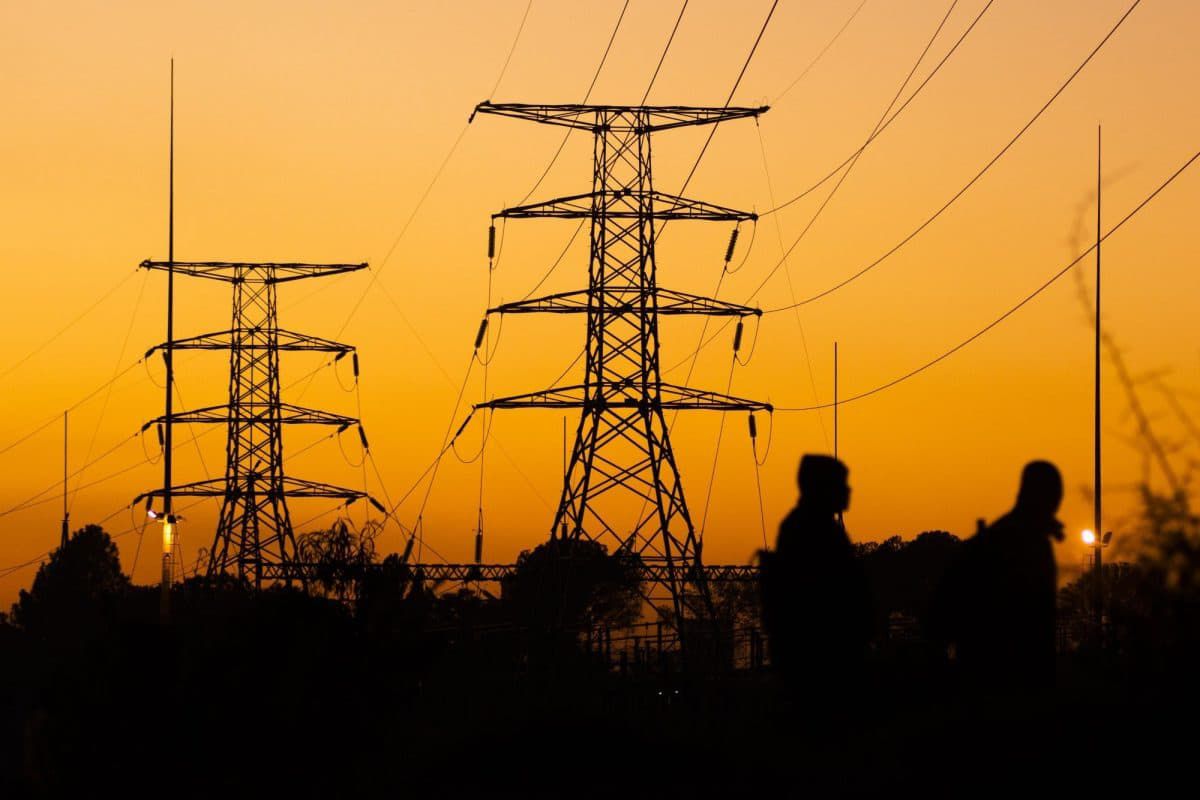
Nigeria’s persistent electricity crisis has taken a new turn as power generation companies (GenCos) and electricity distribution companies (DisCos) trade blame over alleged load rejection, a development that is further deepening blackouts across the country.
The dispute comes at a time when millions of Nigerians are grappling with prolonged outages, raising fresh concerns about the efficiency of the nation’s power value chain and the structural bottlenecks limiting electricity supply.
GenCos blame DisCos for worsening blackouts in Nigeria
Under the intensifying Blackouts in Nigeria, GenCos have accused DisCos of deliberately rejecting available electricity, leading to significant stranded power and mounting financial losses.
According to industry data, Nigeria’s average power generation hovered around 4,500 megawatts in January 2026, but a substantial portion—nearly 3,000MW—was reportedly not evacuated. In February, the situation worsened, with over 3,200MW left unused despite generation efforts.
The Chief Executive Officer of the Association of Power Generation Companies, Joy Ogaji, argued that load rejection by DisCos has compounded existing challenges such as gas supply shortages.
She explained that system operators are sometimes forced to instruct GenCos to scale down production due to low offtake from DisCos, creating inefficiencies across the grid.
Despite an installed generation capacity of about 15,500MW, only around 7,000MW is currently available, while actual distribution hovers between 4,000MW and 4,500MW.
This gap, according to GenCos, represents billions of naira in unrealised revenue and reflects deep-rooted structural issues in Nigeria’s electricity market.
DisCos counter claims, cite transmission constraints
However, DisCos have strongly rejected the allegation of load rejection, insisting that the real issue lies in transmission inefficiencies and poor grid management.
Operators within the distribution segment argue that electricity is often delivered to locations where it cannot be effectively utilised or monetised, a phenomenon they describe as “load dumping” rather than rejection.
From a commercial standpoint, DisCos maintain that it would be counterproductive to reject electricity that could generate revenue. Instead, they emphasise that power must be transmitted to areas with functional infrastructure and paying customers.
The Executive Director of the Association of Nigerian Electricity Distributors, Sunday Oduntan, reinforced this position, stating that stakeholders should focus on resolving systemic bottlenecks rather than assigning blame.
He noted that operational inefficiencies across the value chain—including generation, transmission, and distribution—are interconnected, making it difficult to isolate responsibility for the ongoing blackouts in Nigeria.
Transmission bottlenecks complicate electricity supply
The Transmission Company of Nigeria (TCN) has also weighed in, attributing the imbalance in electricity distribution to multiple operational factors.
According to TCN, load allocation is determined by a combination of DisCos’ daily demand forecasts, historical consumption patterns, and regulatory frameworks such as the Multi-Year Tariff Order.
DisCos are required to nominate their expected electricity demand a day in advance, which guides system operators in allocating available generation capacity. However, discrepancies between nominated demand and actual grid conditions often result in inefficiencies.
TCN further explained that the amount of electricity distributed within each franchise area ultimately depends on the discretion and operational capacity of individual DisCos, highlighting the decentralised nature of electricity distribution in Nigeria.
Structural inefficiencies deepen Blackouts in Nigeria
The ongoing crisis underscores broader structural challenges in Nigeria’s power sector. Despite having 30 grid-connected power plants, the country continues to struggle with limited transmission capacity, weak distribution networks, and liquidity constraints.

One of the most critical issues is the mismatch between generation capacity and evacuation capability. While GenCos claim they can supply up to 7,000MW under current conditions, the grid infrastructure is unable to efficiently transmit and distribute this volume.
Additionally, mounting debts owed to GenCos have constrained their ability to operate at optimal capacity, further reducing available electricity supply.
Energy analysts note that the recurring blame game reflects a deeper governance and coordination problem within the sector. Without significant investment in transmission infrastructure and reforms to improve market liquidity, the cycle of inefficiency is likely to persist.
Economic and social implications of persistent outages
The sustained blackouts in Nigeria are having far-reaching consequences for households and businesses alike. Small and medium enterprises, which rely heavily on stable electricity, are facing rising operational costs due to increased dependence on diesel and petrol generators.
For households, the impact is equally severe, affecting quality of life, access to basic services, and overall productivity. The situation has also raised concerns about Nigeria’s ability to attract investment in energy-intensive industries.
Path forward: reforms and coordination critical
Stakeholders across the power sector agree that resolving the crisis will require coordinated reforms rather than isolated interventions.
Key recommendations include strengthening transmission capacity, improving coordination between GenCos and DisCos, addressing liquidity challenges, and ensuring that electricity is delivered to commercially viable locations.
The planned introduction of new institutional frameworks, including grid management reforms, is expected to play a role in addressing some of these challenges. However, experts caution that implementation will be critical to achieving meaningful progress.
As the debate continues, one fact remains clear: without urgent structural reforms, the persistent blackouts in Nigeria will continue to undermine economic growth and public confidence in the power sector.
Read more news at ireport247news.com