A deadly Benue community attack in Buruku claimed two volunteer guards, raised fresh security concerns, and renewed calls for urgent government intervention.
Fresh security concerns have gripped parts of Benue State following a deadly attack that claimed the lives of two members of the Community Volunteer Guards in Mbamsorun Iwanev, a settlement within Mbagen, Buruku Local Government Area.
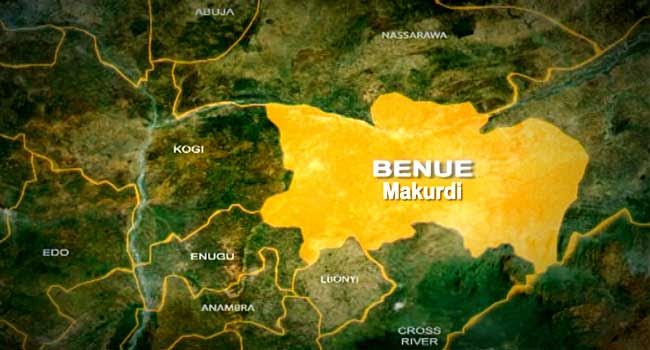
The violent incident has heightened fear among residents and reopened conversations about the growing vulnerability of rural communities to armed criminal groups operating across the state.
Details of the attack emerged on Thursday, January 22, 2026, after a resident and Facebook user, Hrh Orsankera Afaakaa, publicly confirmed the development through a social media post.
His account quickly drew attention from concerned citizens, community leaders, and security observers monitoring the deteriorating situation in parts of Benue.
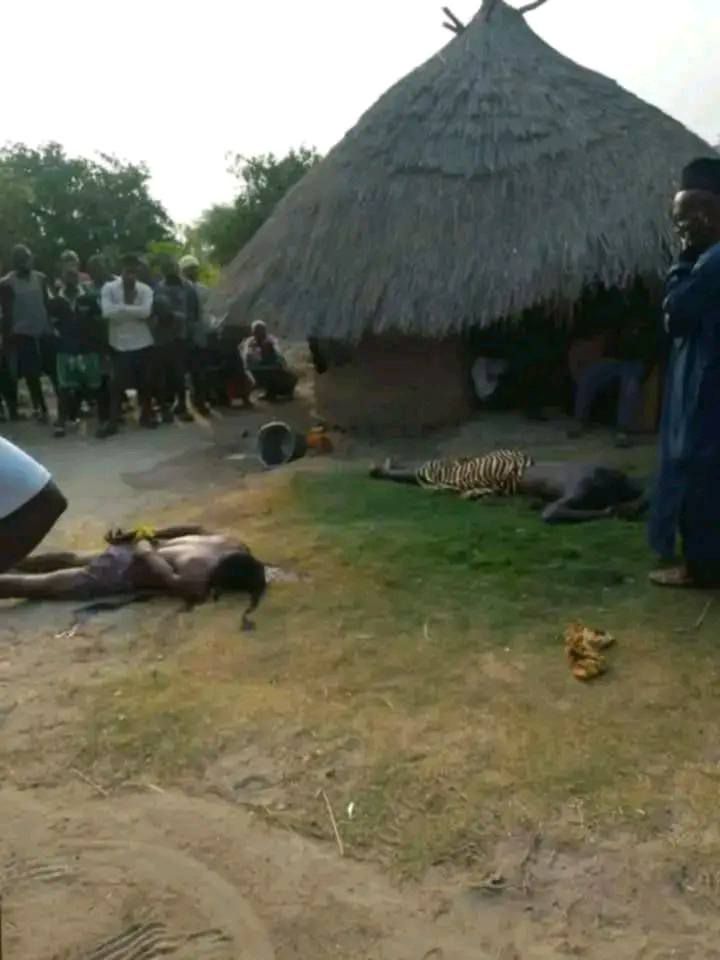
According to information shared, armed assailants invaded Mbamsorun Iwanev during the attack, targeting members of the Community Volunteer Guards who were stationed to protect the area.
The confrontation resulted in the deaths of two volunteers, a loss that residents described as devastating, given the critical role the guards play in maintaining local security.
Beyond the fatalities, the attackers reportedly abducted one individual during the operation.
However, in a twist that offered a brief moment of relief amid the tragedy, the abducted person was later released without any ransom payment and returned unharmed.
Community members described the release as unusual, noting that abductions in similar Benue community attack incidents often involve financial demands.
Observers believe the attackers exploited known access routes to enter and exit the community.
Afaakaa specifically identified Gbeleve and Amile as major crossing points that criminals frequently use to infiltrate surrounding villages.
These routes, according to locals, have long served as unmonitored pathways connecting forests and remote settlements, making them ideal for criminal movements.
Residents say repeated warnings about the vulnerability of these access points have gone largely unaddressed, allowing armed groups to strike with relative ease.
The latest Benue community attack has therefore intensified calls for immediate security reinforcement along these corridors.
Security analysts familiar with the area note that community-based volunteer guards have increasingly become the first line of defense in rural Benue, especially in locations where formal security presence is thin.
While their commitment is widely praised, concerns persist about their limited resources, training, and firepower when confronted by well-armed attackers.
The loss of two volunteers has had a deep emotional impact on Mbamsorun Iwanev and nearby settlements.
Residents describe the fallen guards as individuals who stepped forward to protect their people despite the risks, underscoring the sense of sacrifice surrounding their deaths.
In the aftermath of the attack, community leaders urged residents—particularly those living along the Jato-Aka axis—to remain vigilant and security-conscious.
Night movements have reportedly reduced, while informal community patrols have increased in response to lingering fears of a follow-up assault.
Tension remains high as families grapple with uncertainty over safety and the possibility of renewed violence.
For many, the Benue community attack is not an isolated incident but part of a broader pattern of insecurity affecting rural communities across the state.
Community representatives have also appealed directly to relevant authorities, calling for urgent intervention.
Their demands include increased deployment of security personnel, routine patrols along identified flashpoints, and surveillance of known crossing routes used by criminal elements.
Residents argue that restoring peace will require more than temporary responses. They insist that sustained security presence, intelligence-led operations, and collaboration between formal security agencies and local structures are essential to preventing future attacks.
About The Author