Mali and Zambia shared the spoils in a dramatic Group A Africa Cup of Nations encounter, finishing 1-1 after Patson Daka’s stoppage-time strike stunned Bamako supporters.
Mali entered the contest with confidence, dominating early exchanges and asserting midfield control through crisp passing, aggressive pressing, and purposeful movement that immediately unsettled Zambia’s defensive shape.
Zambia, disciplined and compact, absorbed pressure patiently, preferring structured defending and quick transitions while relying on counterattacking moments rather than sustained possession against Mali’s organized press.
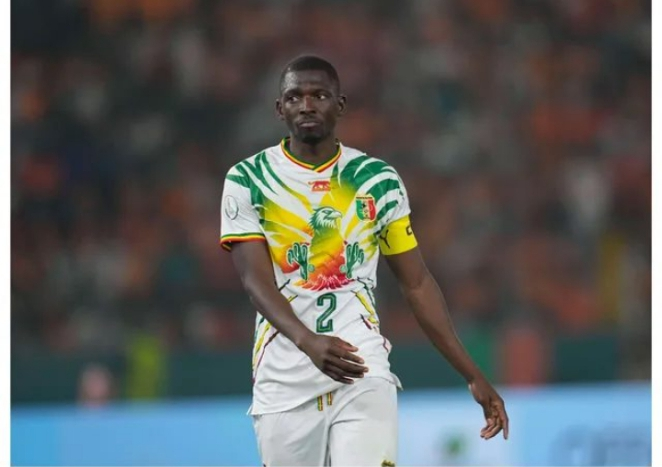
The opening half saw Mali enjoy territorial dominance, recording more shots and corners, yet struggling to convert superiority into goals as Zambia’s backline remained resolute under pressure.
Zambia goalkeeper produced a series of composed interventions, denying Mali clear opportunities and organizing his defence effectively, ensuring the Chipolopolo reached halftime level despite sustained Malian pressure.
Mali’s attacking intent became clearer after the break, with increased tempo, sharper movement between lines, and greater urgency as they sought to break Zambia’s disciplined defensive resistance.
Their persistence paid dividends in the 61st minute when Lassine Sinayoko found the net, converting calmly to reward Mali’s territorial dominance and ignite celebrations across the stadium.
Sinayoko’s goal reflected Mali’s overall superiority, arriving after sustained pressure, clever build-up play, and decisive finishing that momentarily justified their advantage in shots, possession, and attacking thrust.
Following the breakthrough, Mali appeared poised to control proceedings, circulating possession confidently and attempting to manage the game tempo while limiting Zambia’s attacking outlets.
Zambia, however, refused to capitulate, gradually increasing attacking ambition by pushing midfielders higher and committing additional numbers forward in search of a crucial equaliser.
The Chipolopolo’s tactical shift introduced fresh intensity, unsettling Mali’s defensive rhythm and forcing hurried clearances as the contest evolved into a tense, end-to-end battle.
Mali remained dangerous on transitions, fashioning half-chances and forcing defensive interventions, yet lacked the clinical edge required to extend their lead and secure breathing space.
Statistically, Mali maintained the upper hand, registering thirteen shots to Zambia’s four, five efforts on target, and enjoying 53 percent possession across the ninety minutes.
Zambia’s resilience manifested in timely tackles, intelligent positioning, and disciplined fouling, limiting Mali’s clear-cut chances despite conceding territory for long spells.
As the clock ticked down, Mali sought game management, slowing play and retaining possession, while Zambia threw caution aside in pursuit of a dramatic late breakthrough.
The closing minutes crackled with tension, substitutions altering momentum as Zambia introduced fresh legs, injecting pace and directness into their attacking approach.
Mali defended deeper than earlier, conceding territory and inviting pressure, a strategic retreat that ultimately proved costly against Zambia’s renewed attacking urgency.
In the second minute of added time, Patson Daka delivered the decisive moment, striking clinically to level the match and silence Malian celebrations in heartbreaking fashion.
Daka’s goal showcased Zambia’s perseverance, capitalizing on sustained late pressure and a brief lapse in Malian defensive concentration during stoppage time.
The equaliser sparked wild celebrations among Zambia’s players and supporters, transforming frustration into jubilation and underlining football’s unforgiving nature at elite tournament level.
For Mali, the concession felt cruel, erasing what seemed a deserved victory and exposing lingering issues with game management and defensive concentration late in matches.
Despite disappointment, Mali’s overall performance offered positives, particularly midfield control, chance creation, and structured pressing that troubled Zambia throughout the encounter.
Coach and players will, however, rue missed opportunities, knowing earlier clinical finishing could have rendered Zambia’s late rally irrelevant.
Zambia departed encouraged, the draw reinforcing belief in their tactical discipline, mental strength, and ability to compete despite limited possession against stronger opposition.
Their compact defensive structure and refusal to panic under pressure demonstrated maturity, while Daka’s late heroics highlighted individual quality within the squad.
Discipline remained balanced, with both teams collecting a single yellow card apiece, reflecting competitive intensity without excessive aggression throughout the contest.
Neither side suffered red cards, allowing tactical battles to unfold fully and ensuring the match retained rhythm, physicality, and uninterrupted momentum.
Offside statistics illustrated contrasting approaches, Mali remaining onside through structured attacks, while Zambia’s direct style resulted in two offside calls.
Corner counts marginally favoured Mali, six to five, reinforcing their territorial edge while illustrating Zambia’s threat during set-piece opportunities.
The draw leaves Group A finely poised, with both teams earning valuable points that could prove decisive in qualification calculations as the tournament progresses.
For Mali, attention now shifts to tightening defensive focus late in matches, ensuring dominance translates into maximum points against equally resilient opponents.
Zambia will build on this momentum, encouraged by their ability to withstand pressure and strike decisively when opportunities arise, particularly in critical late moments.
Supporters witnessed a compelling contest blending tactical nuance, individual brilliance, and emotional drama, epitomising the unpredictable allure of the Africa Cup of Nations.
The match served as a reminder that dominance alone guarantees nothing, while resilience, belief, and timing can reshape outcomes within seconds.
Both teams displayed qualities befitting continental contenders, suggesting Group A will remain fiercely contested until the final round of fixtures.
As the tournament unfolds, Mali’s fluid attacking patterns and Zambia’s indomitable spirit promise further gripping encounters for fans across Africa.
Ultimately, the 1-1 draw felt fitting, rewarding Mali’s control while honouring Zambia’s refusal to surrender, leaving both nations with lessons and motivation.
The Africa Cup of Nations thrives on such drama, where late twists redefine narratives and every moment carries consequence for teams chasing continental glory.

With Group A wide open, Mali and Zambia will regroup, recalibrate, and return sharper, knowing margins are thin and opportunities fleeting at this elite level.
This pulsating encounter reaffirmed why AFCON captivates audiences, blending tactical chess, raw emotion, and unforgettable moments into ninety unforgettable minutes.
Read also:Super Eagles vs Tanzania: Davido Stakes N36m on Nigeria’s opener
About The Author